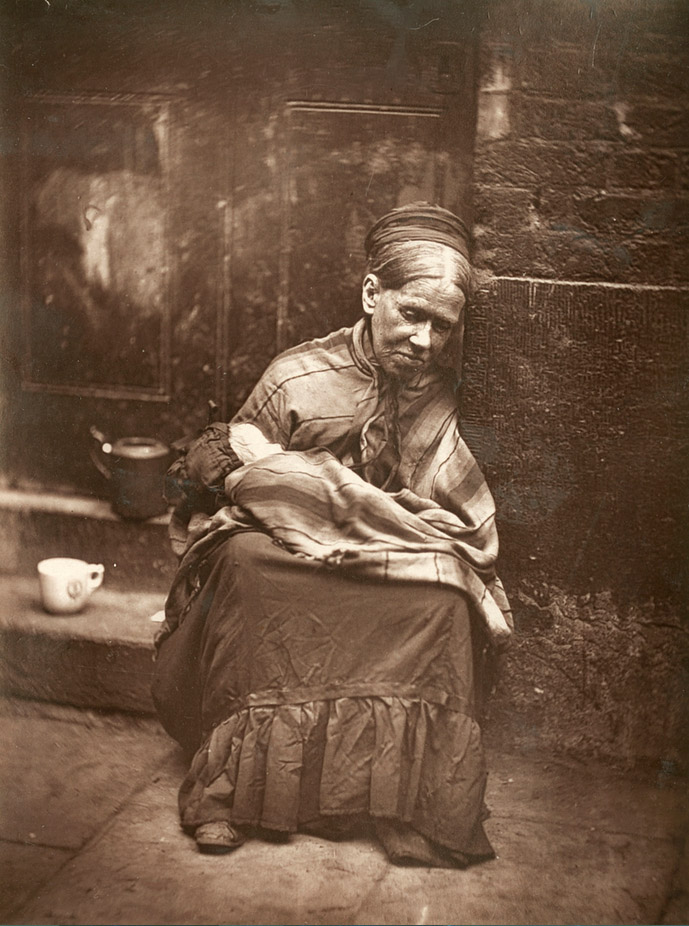
There are moments in London’s history when a single photograph seems to hold an entire century within its frame. Images like St Paul’s shrouded in smoke during the Blitz or the Poll Tax Riots of the 1990’s come to mind. In 1877 standing on the corner of Endell Street and Short’s Gardens, a photographer by the name of John Thomson captured an image outside the St Giles Workhouse that would become one of the defining works of early social documentary photography. An elderly woman, exhausted, destitute, sits in a doorway with a child in her arms. In that unique frame lies a story of poverty, reform; and it forced London to take a long hard look at itself.
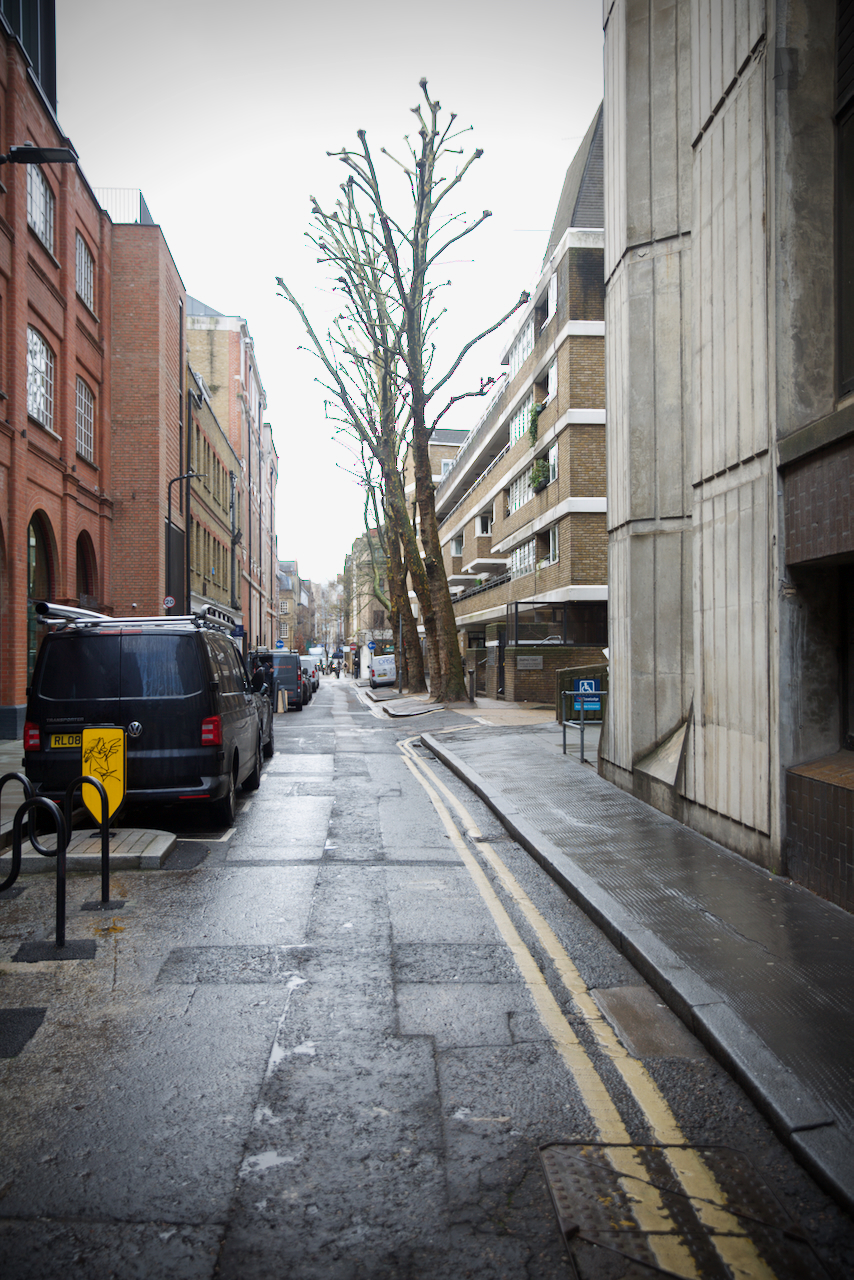
Take a stroll down Endell Street from its junction with Shaftesbury Avenue. Leave behind the traffic threading through from Holborn and you’ll find yourself on a calmer thoroughfare that eventually spills into the cheerful crowds of Covent Garden. At the top end stand smart offices and studios, there are fine-leaved Ash trees, favourites of mine, which capture and diffuse the light as it falls across the pavement. On one corner is the best and one of the oldest fish and chip restaurants in London its tables set out onto the street. It’s a nice space to inhabit and explore, but you’d be mistaken as this area has a dark tale to tell, for you are walking in what was once one of the most notorious quarters of London.
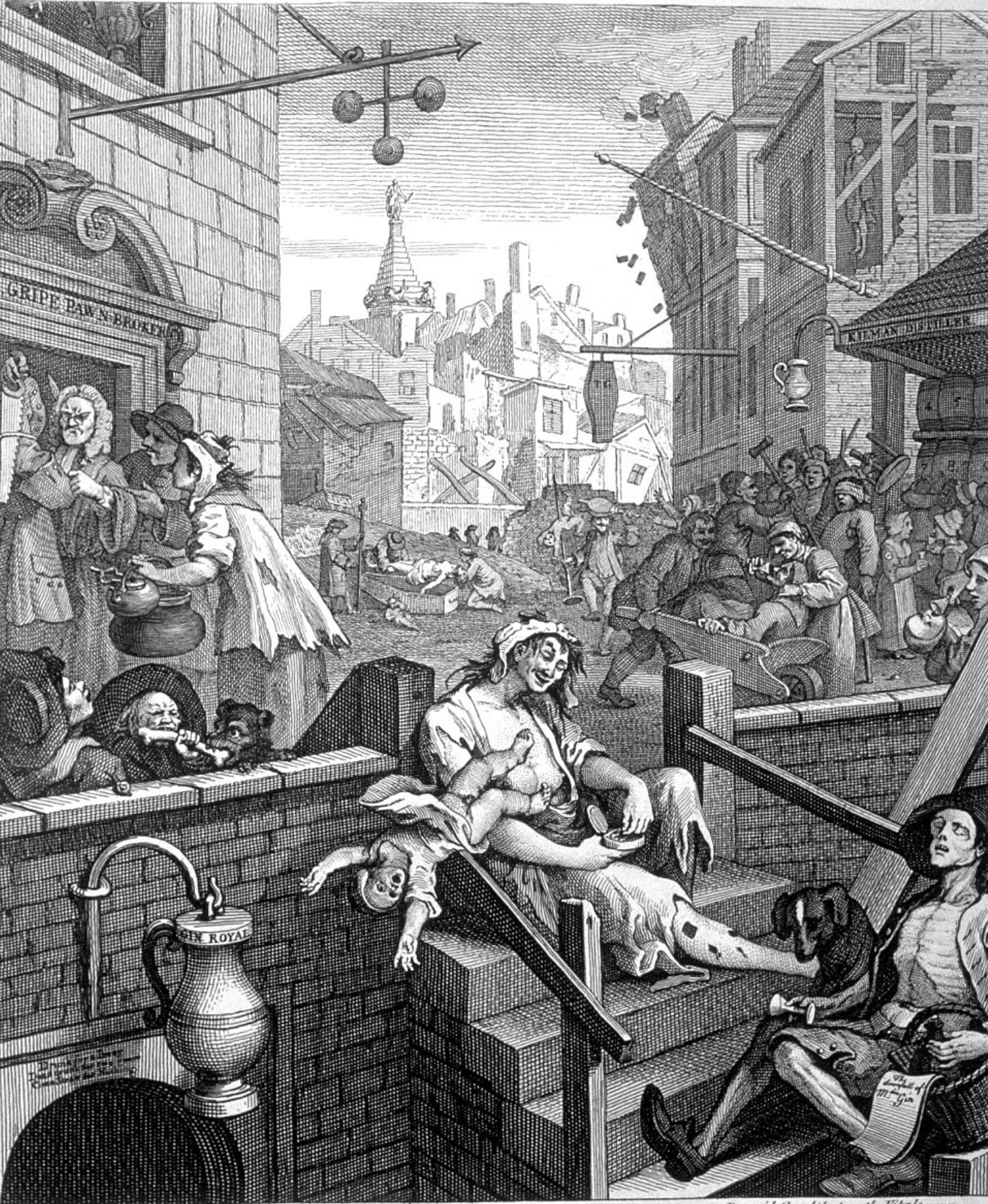
Stretching from where Holborn meets Oxford Street and running down toward Seven Dials and Leicester Square lay what was once known as the St Giles Rookery. By the eighteenth and early nineteenth centuries, its reputation had travelled well beyond its narrow crumbling lanes. It was described as a labyrinth of fetid courts and alleys, dark airless rooms divided amongst poor families, even the cellars, some little better than cess pits, were filled with the living. The 1665 great plague started here. Crime, poverty, overcrowding fused into a mythology that fascinated and repelled polite society. William Hogarth famously sketched its spirit, Gin Lane and all that; and Charles Dickens borrowed heavily on its atmosphere and squalor. Respectable London kept its distance and spoke of it in hushed tones.
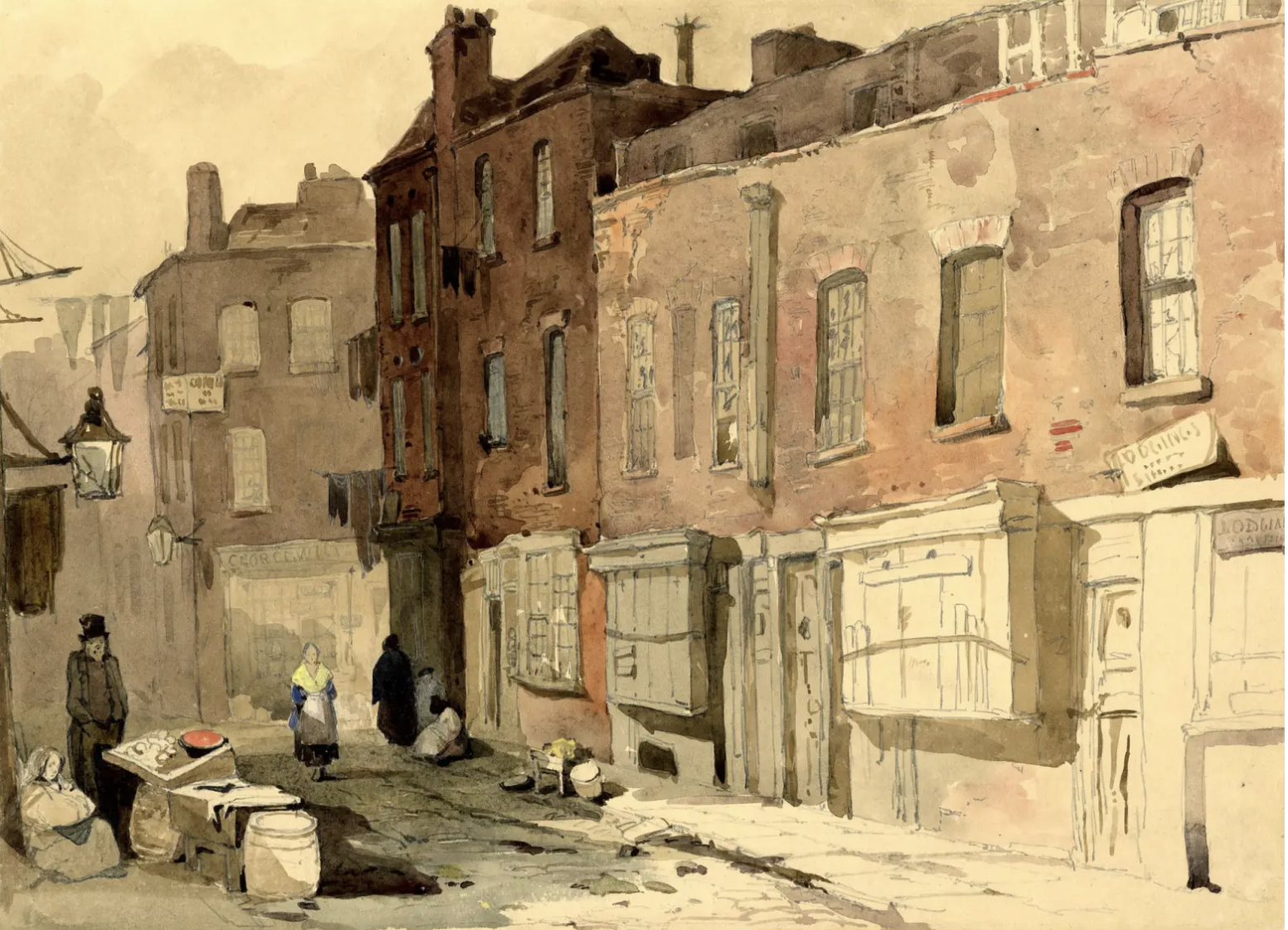
The rookery was not wicked by design, it was poor by circumstance. Rural migrants in search of work, Irish labourers fleeing famine in their homeland, the precariously employed, the elderly with no family support; all were drawn here to these streets. The poorest, funnelled into districts where basic survival was communal and precarious; life depended on neighbours, sharing, borrowing, enduring together.
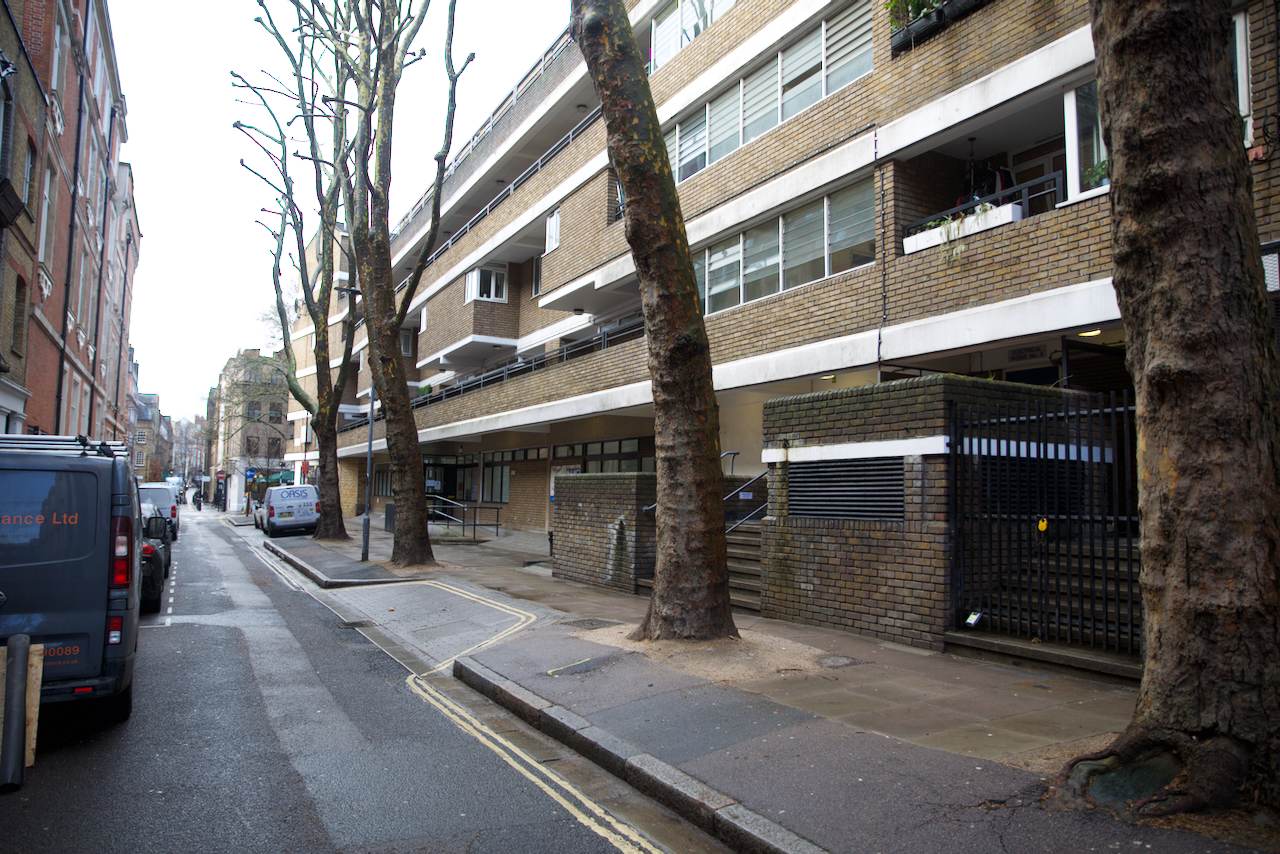
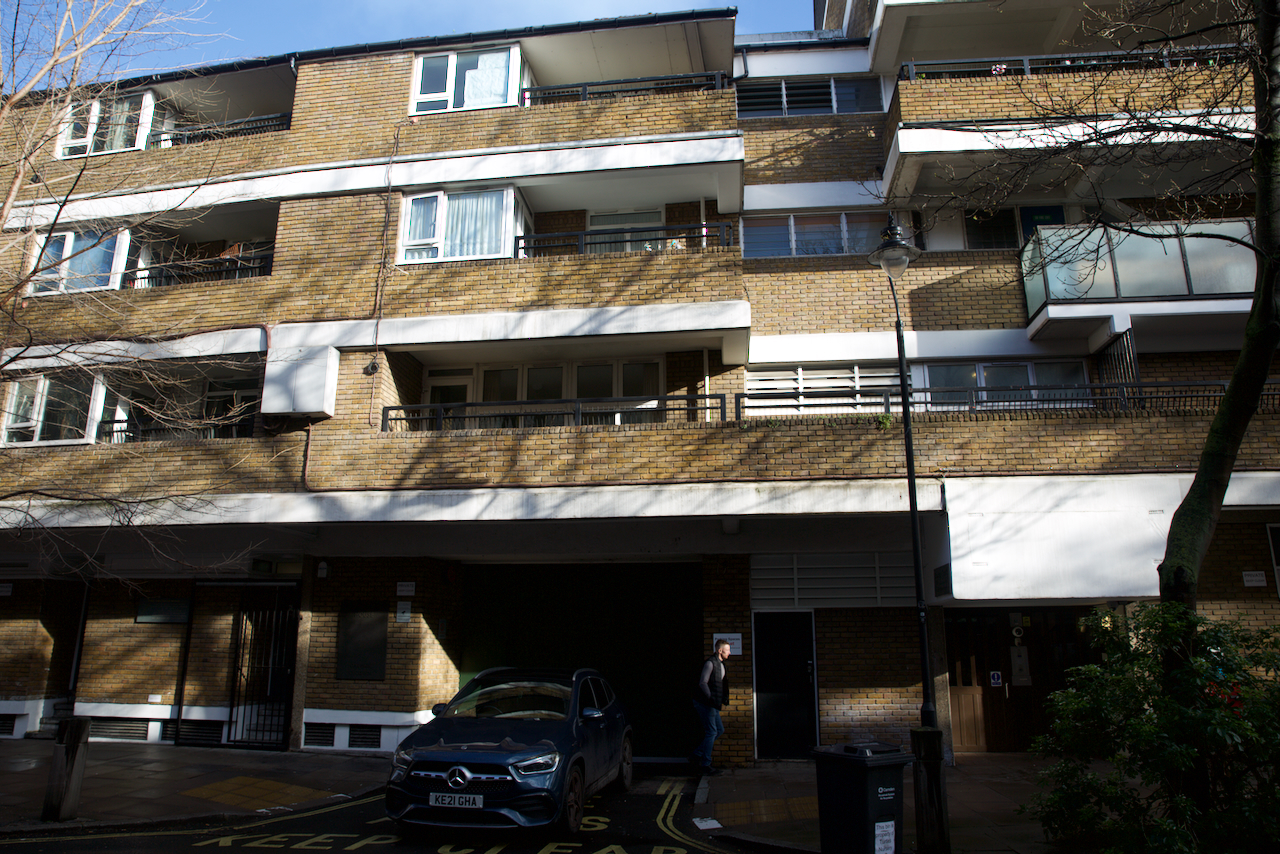
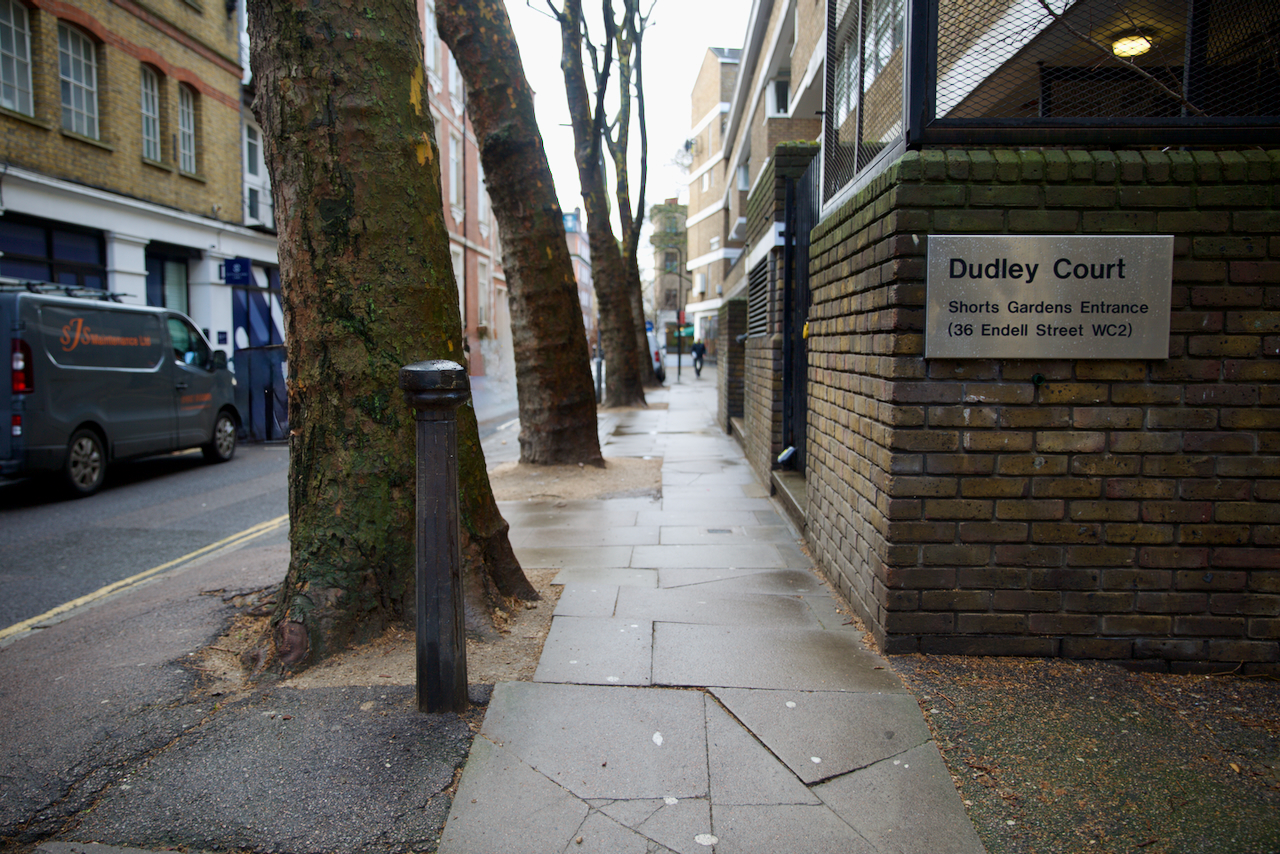
On your right stands Dudley Court, sheltered housing run by Camden Council, its all modern brick balconies and neat landscaping, built sometime in the 1980’s. It occupies the ground where the St Giles Parish Workhouse and Infirmary once stood, laid down in 1725. By the 1860s the complex had spread across much of the area: an infirmary, washhouses, segregated yards for men and women; and grimly, a “dying yard.” At times more than nine hundred paupers were housed within its walls. Lives reduced to a hard routine: labour for sustenance, silence for discipline. The workhouse system had been increasingly hardened through the 1830’s; anxious about rising costs and what they perceived as dependency, parliament believed poverty should never be comfortable, which is a hard thing to consider in our times. Institutions for relief, such as the work houses, were intentionally made harsher.
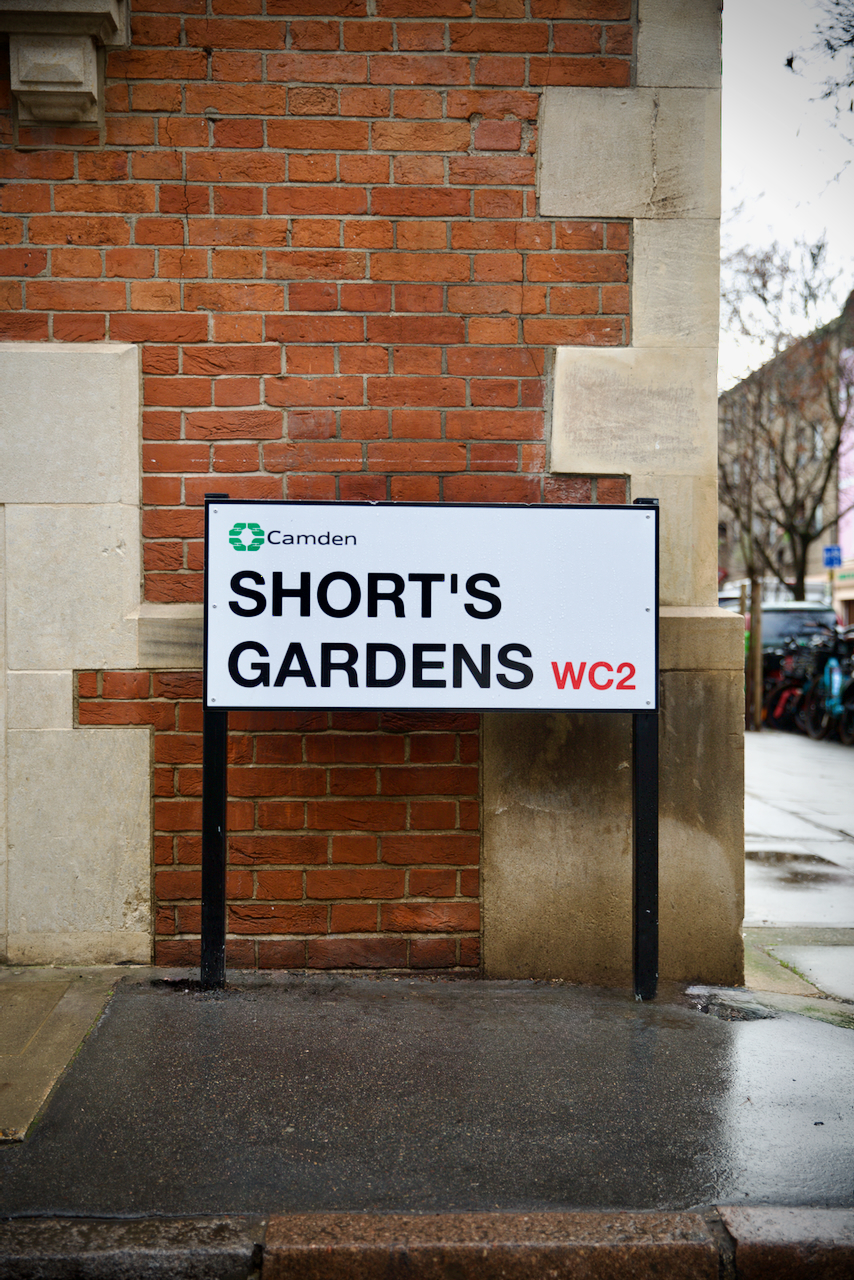
Walk to the junction of Short’s Gardens, which crosses ahead; to your left was the original entrance to the old workhouse. Roughly where the entrance to the flats and the NHS surgery is today. It was here, in 1877 that something shifted, something began slowly to change.
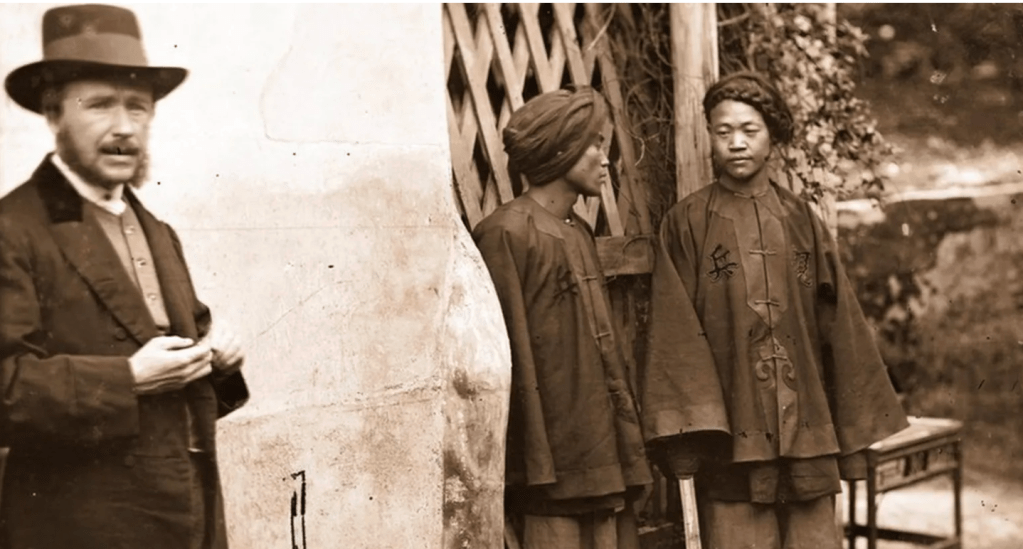
A Scottish photographer John Thomson stood here in 1877 with his cumbersome camera, tripod and fragile glass plates: he didn’t know it, but he was about to take one of the most famous and controversial pictures of Victorian England. Born in Edinburgh in 1837, he led a fascinating early life, travelling extensively across the Far East, photographing daily life in Singapore, China, Thailand; he was the first person to photograph the famous city lost in the Cambodian rainforest, Angkor Wat.
But here that morning in London, some years later, he stood and composed his photograph. In front of him sat a group of elderly women, they were known as Crawlers, utterly destitute, slumped in the doorway of the workhouse, where the modern estate now rises. Unable to fend for themselves, they would often crawl from place to place, they begged off the beggars. Thomson settled his frame on one of the ladies, she is seen with another woman’s baby resting in her arms. Her body is folded inward; her gaze drifts somewhere beyond the frame, or is she staring at the floor, its hard to discern.
The photograph is difficult to look at, even now, separated by nearly 150 years, and that is precisely why it matters.
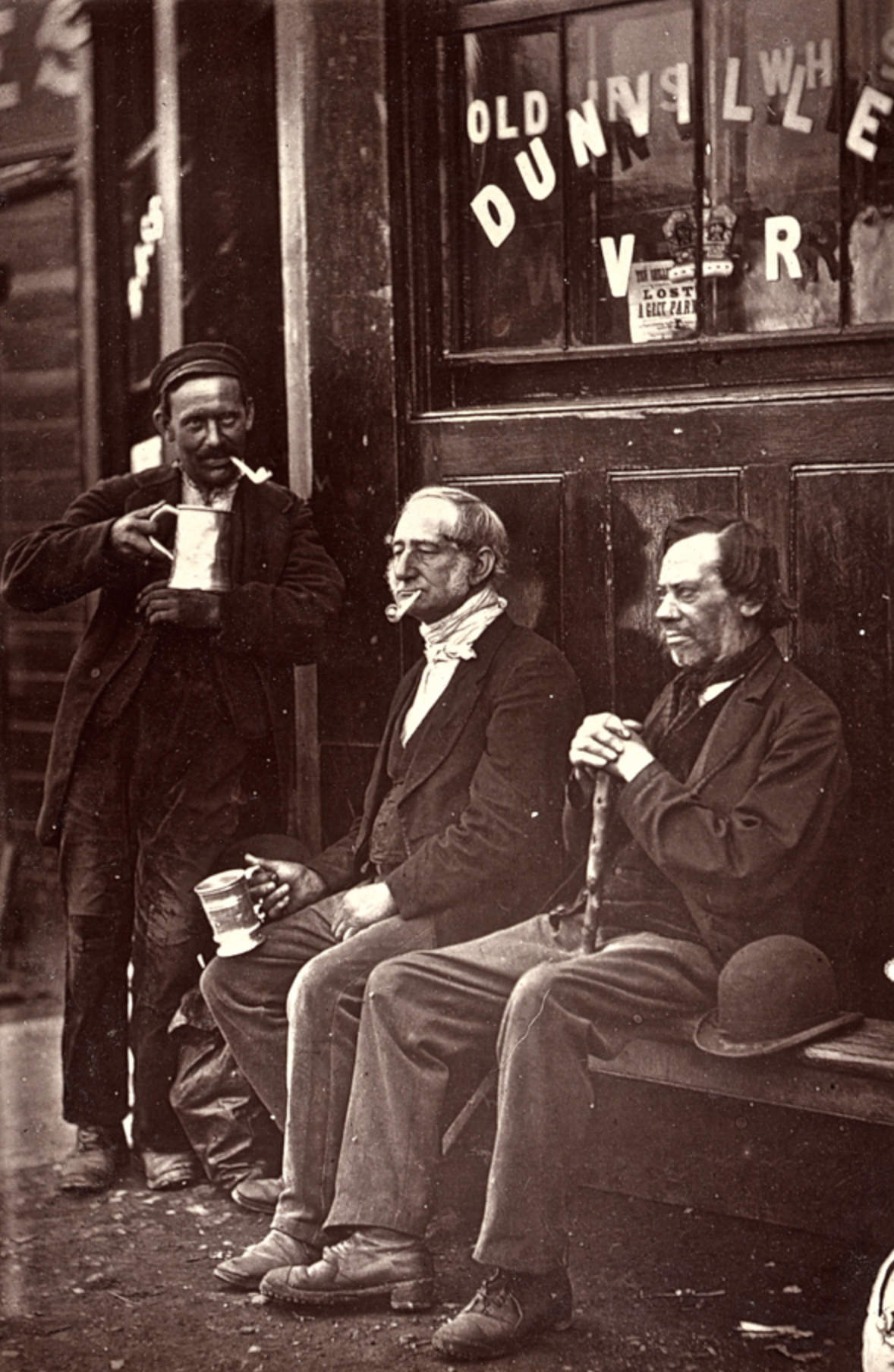
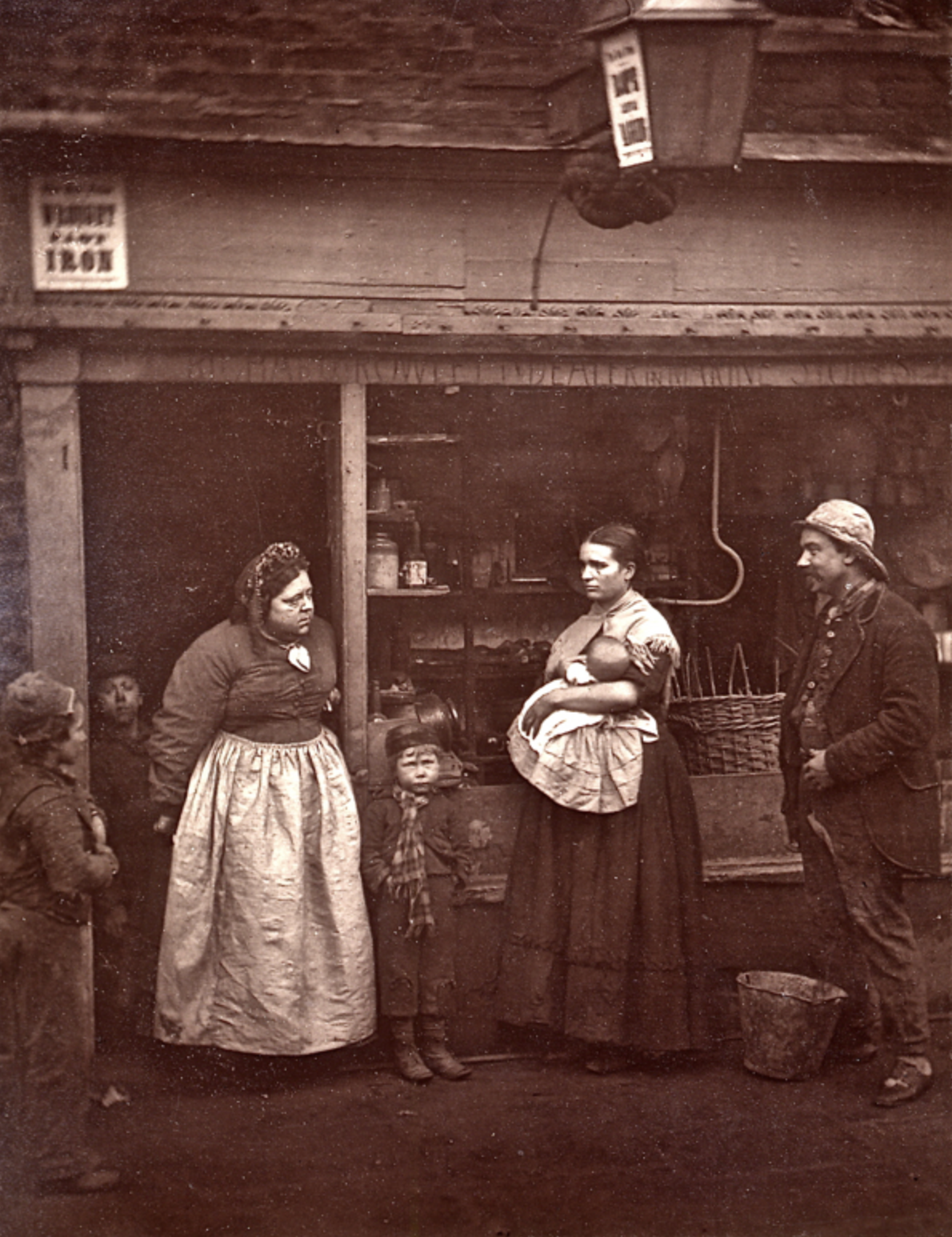
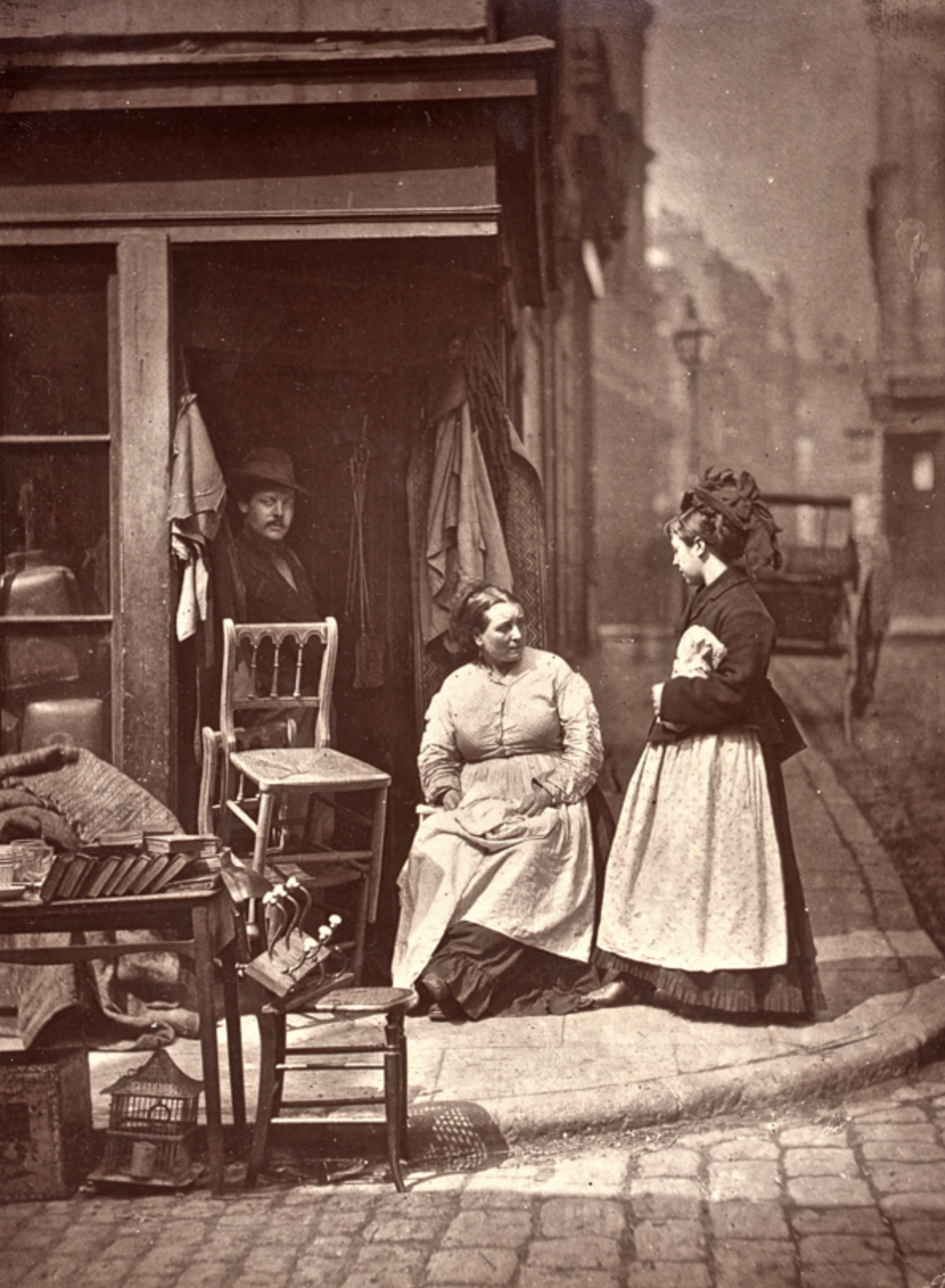
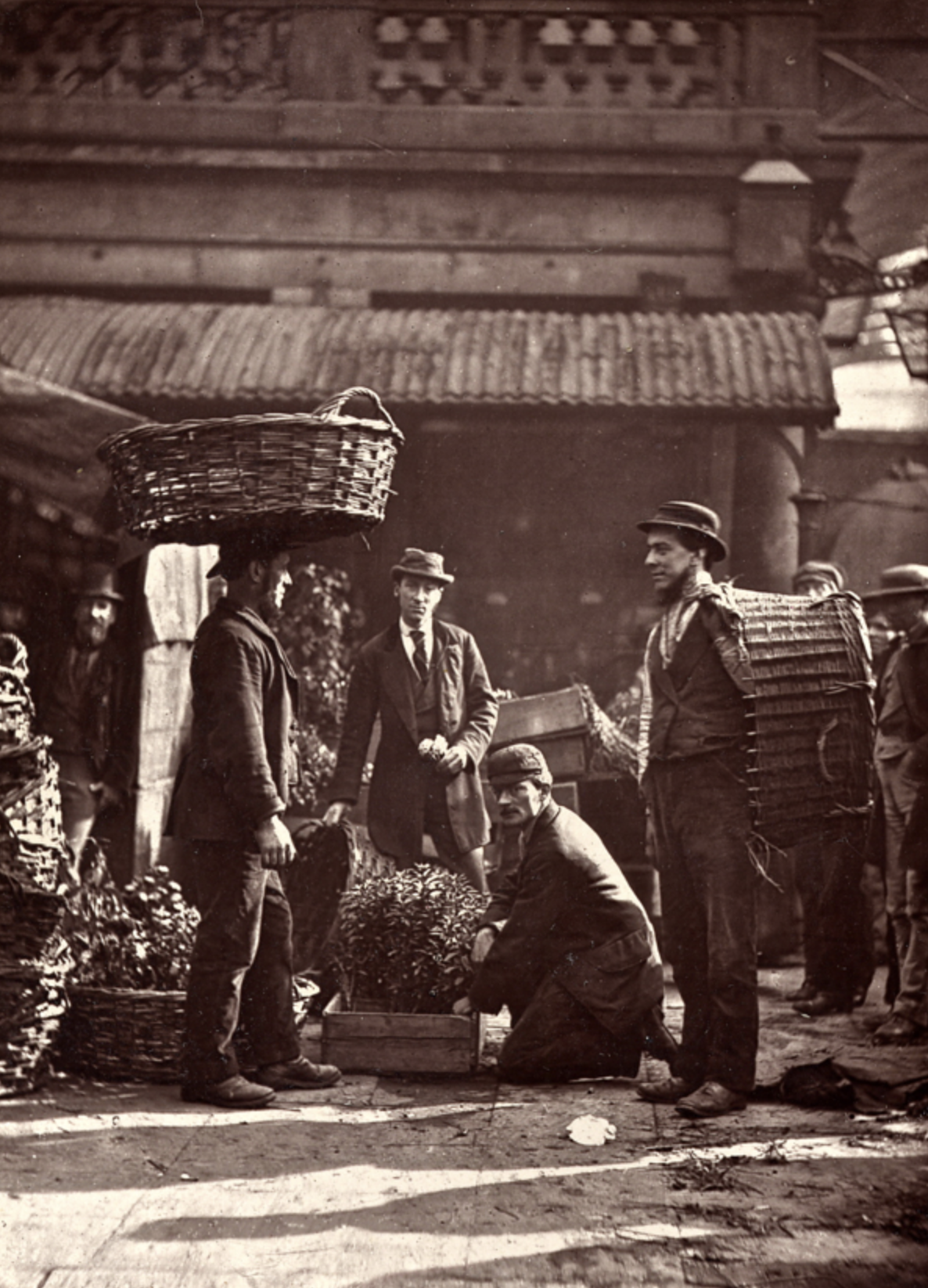
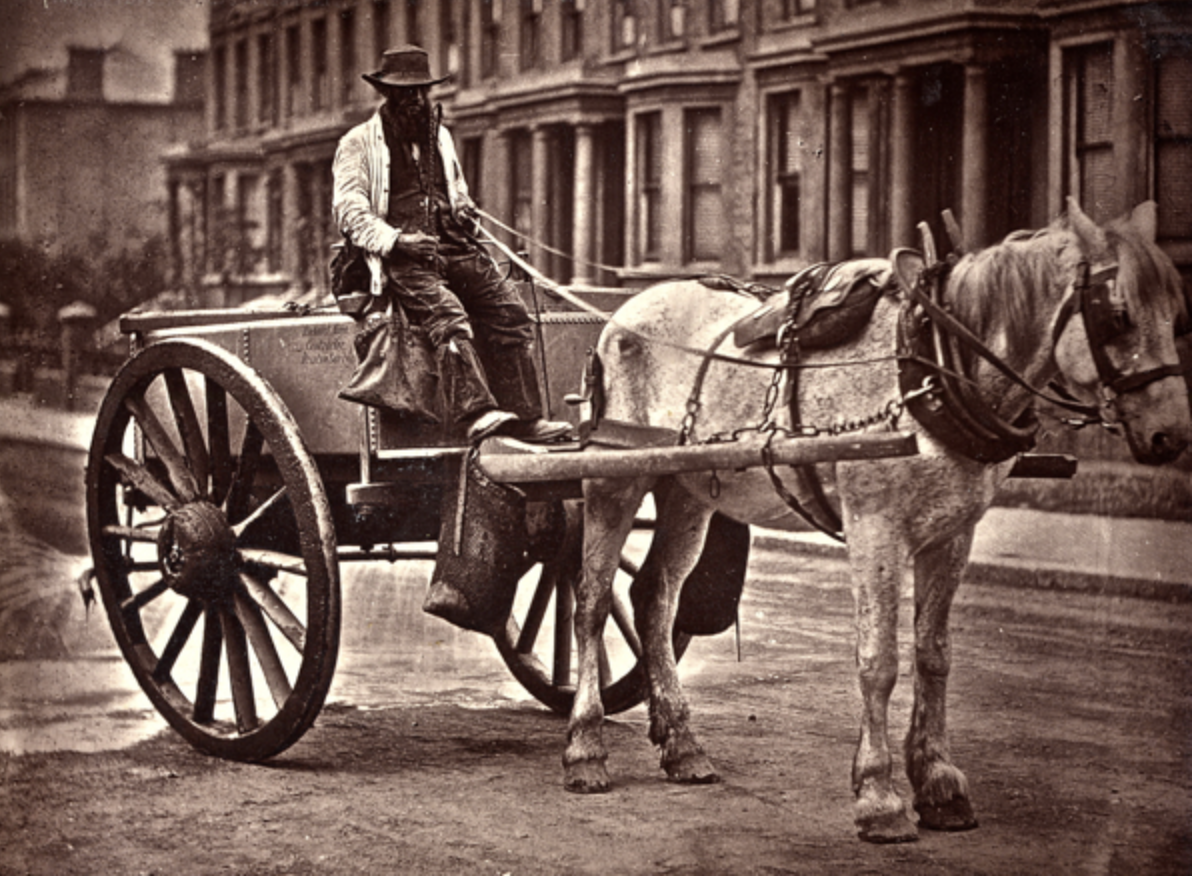
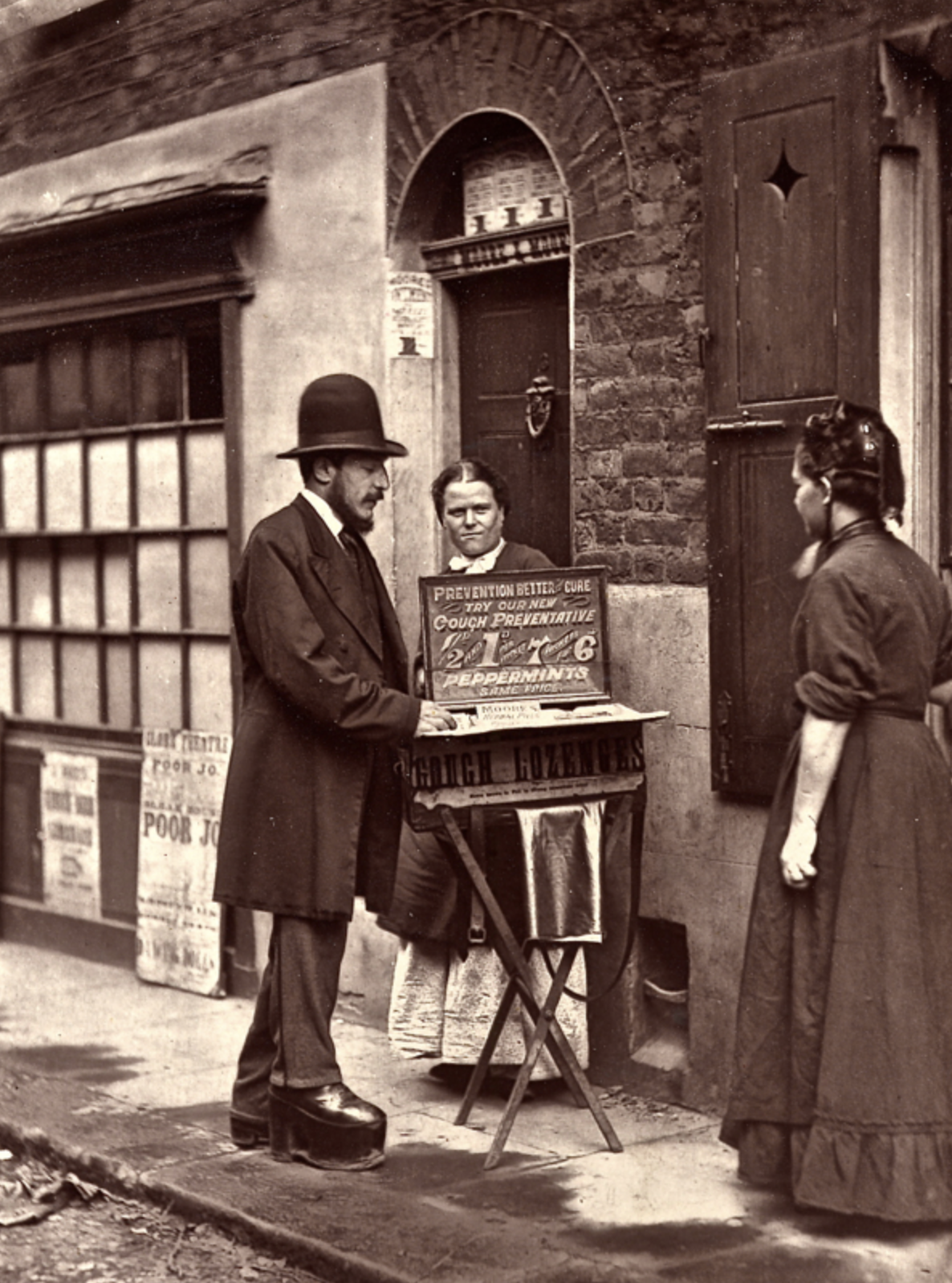
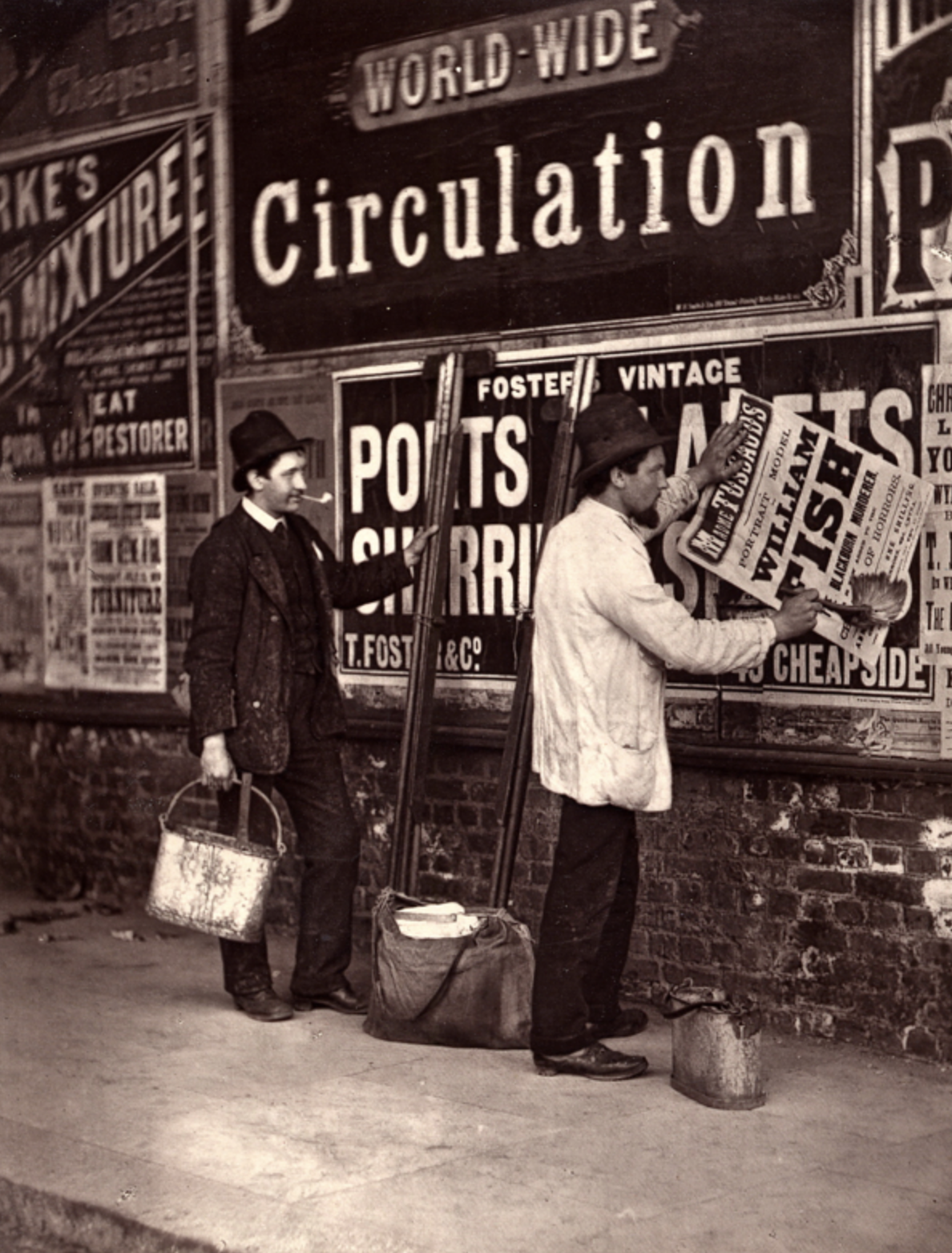
The photograph wasn’t taken as a form of exploitation, Thomson was deeply involved in the cause of the urban poor, working alongside socialist journalist Adolphe Smith, they collaborated on a weekly magazine called Street Life in London. It was pioneering work, Thomson strove hard to capture real people in their environments and Smith interviewed them, writing down their stories. For perhaps the first time, photography and social investigation found a common ground. They were recording real people, where they lived, named, described, contextualised.
For this photograph Smith wrote: ‘Huddled together on the workhouse steps in Short’s Gardens, the Crawlers of St. Giles’s, may be seen both day and night seeking mutual warmth and consolation in their extreme misery. As a rule, they are old women reduced by vice and poverty to that degree of wretchedness which destroys even the energy to beg. What little charity they receive is more frequently derived from the lowest orders. If one of the company has succeeded in begging a penny, a halfpenny-worth of new tea is carefully placed; then one of the women crawls slowly towards Drury Lane, where there is a coffee-shop keeper and also a publican who take compassion on these women, and supply them gratuitously with boiling water. Warm tea is thus procured at a minimum cost. They sit on the hard stone step of the workhouse, their heads reclining on the door, and here by old custom they are left undisturbed. The abject misery into which they are plunged is not always self-sought and merited; but is, as often, the result of unfortunate circumstances and accident.
The crawler, for instance, whose portrait is now before the reader, is the widow of a tailor who died some ten years ago, with her young son she descended penniless into the street.
A fellow crawler, who used to doze on the same step had obtained employment in a coffee-shop, and this lady was taking care of her friend’s child. The mother returns from her work at four in the afternoon, but resumes her occupation at the coffee-shop from eight to ten in the evening, when the infant is once more handed over to the crawler, and kept out in the streets through all weathers with no extra protection against the rain and sleet than the dirty and worn shawl which covers the poor woman’s shoulders; but, as she explained, “it pushes its little head under my chin when it is very cold, and cuddles up to me, so that it keeps me warm as well as itself.”
This image and story details the harsh reality of life for many of London’s population. It pushed at the moral fabric of the Victorian middle classes, who could no longer ignore the inequality and poverty that existed across their cities and society. The poor were people, they had faces and stories. Thomson’s work fed a growing movement of social investigation, which led slowly to reform and improvements across the country. Imagery could erode at indifference, photography and journalism could inspire change.
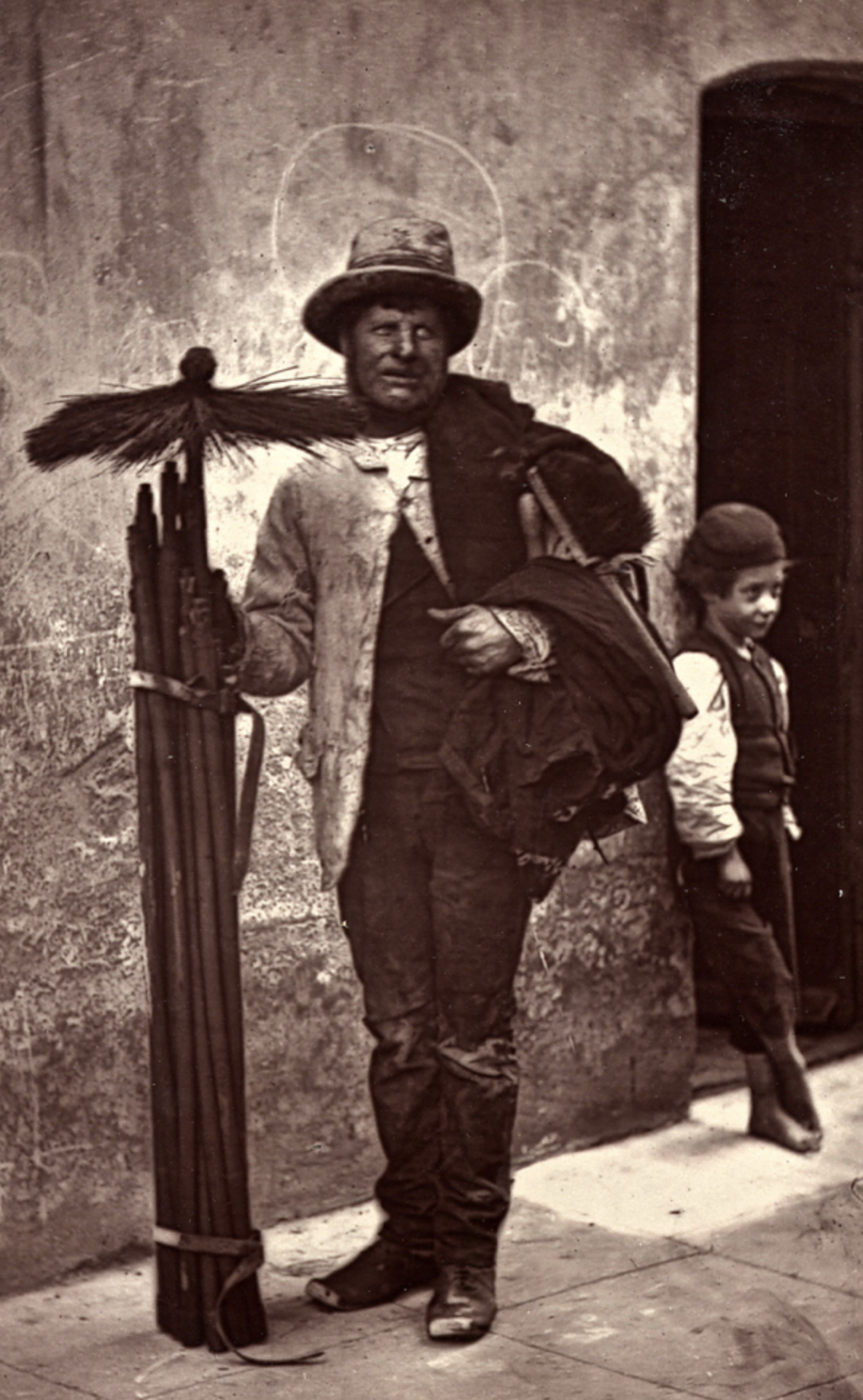
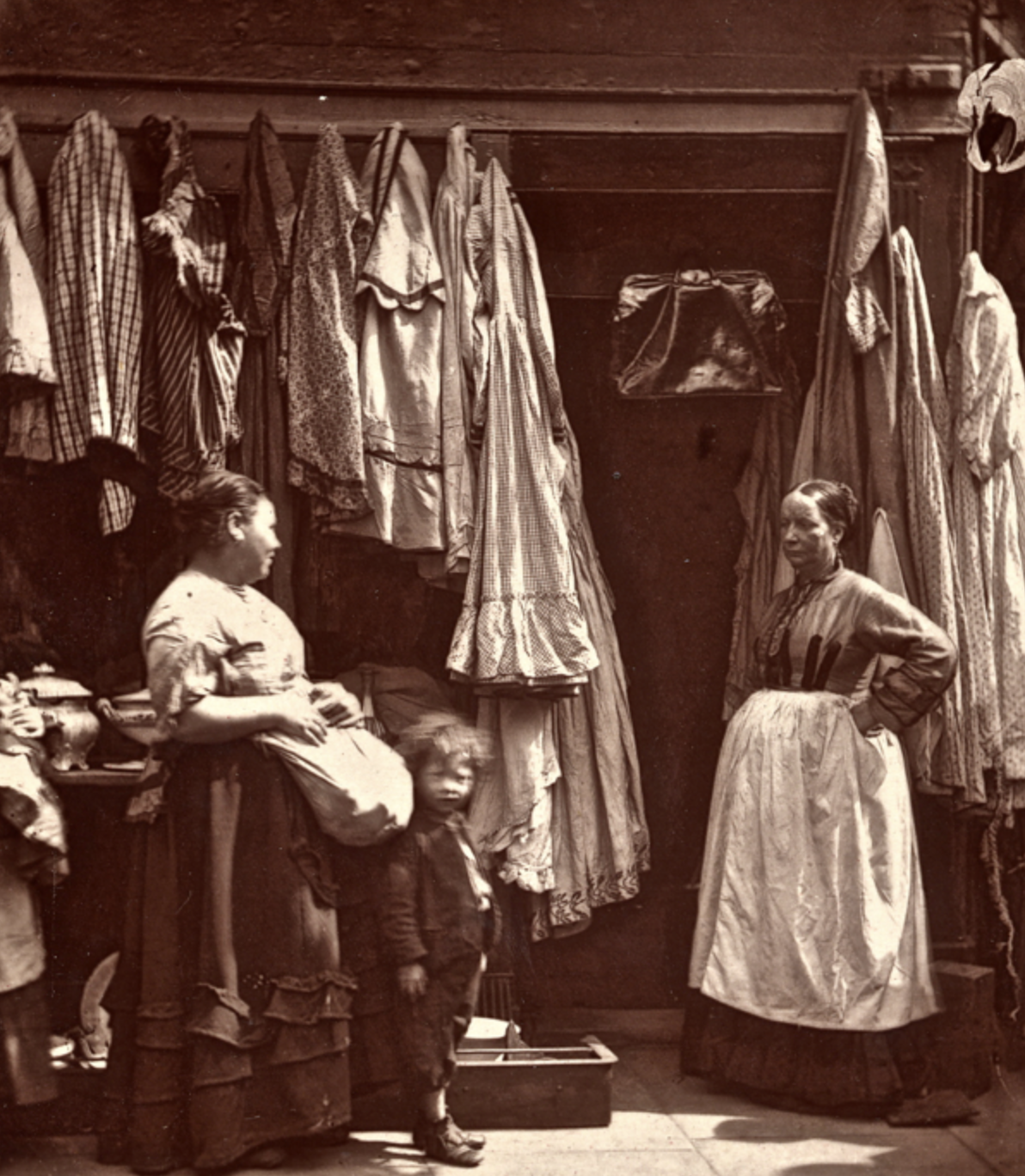
Stand here long enough, contemplating those times, and the past can feel tangibly close. A veil of rain fell across the street and the pavements briefly gleamed. People hurried past underneath umbrellas talking on their phones, indifferent to the story played out here once not so long ago. I think of that elderly lady hunched on the step, I think also of the tiny infant, swaddled and pulled close to her.
The rookery is gone. The workhouse is gone. The system that built it has long since been dismantled. But the questions they raised, about responsibility, compassion, dignity and reform, still linger here. I look at Dudley Court, a building selected for the care and housing of vulnerable people in the neighbourhood presently, times may feel different, but the challenges in our society remain the same.
And that is why I walk. Not simply to see the city, but to observe things, to feel out and find elements which fascinate, but also to listen to it, sense its history beneath my feet.


 The London Walker
Leave a reply to tim thelondonwalker Cancel reply