REBELS AND RADICALS TICKETS – MORE COMING SOON
Much of England’s social history can be seen within London. One area that has attracted generations of alternative thinkers and liberal idealists is Smithfield and Clerkenwell. From medieval markets and plague pits to sites of macabre execution, along the old droving roads with links to the crusades, and the Rookery an infamous Victorian slum where the first sweatshops grinded, to the green which influenced both Dickens and Lenin, we weave a route through an area unique in our nations history.
‘How did we get to things like The National Trust or LGBT rights? How did we manage to organise a working week? Sick pay? Holidays? How did we get to vote and claim a pension?’
We in England are fortunate, our lives are mostly comfortable, we can speak openly, practice and tolerate different religions, sexual, social behaviours without fear of persecution. We like to think of ourselves, as belonging to an open and fair society. It took an enormously long time to achieve this. And it wouldn’t have been achieved at all but for the selfless bravery of ordinary people who stood up for those original ideas of rights and fairness for all.
A great deal of England’s social history can be seen and traced within the geographical confines of London and one area seems above all else to have attracted persistent generations of alternative thinkers, political and religious dissenters and liberal idealists: that being Smithfield and Clerkenwell.


The Route
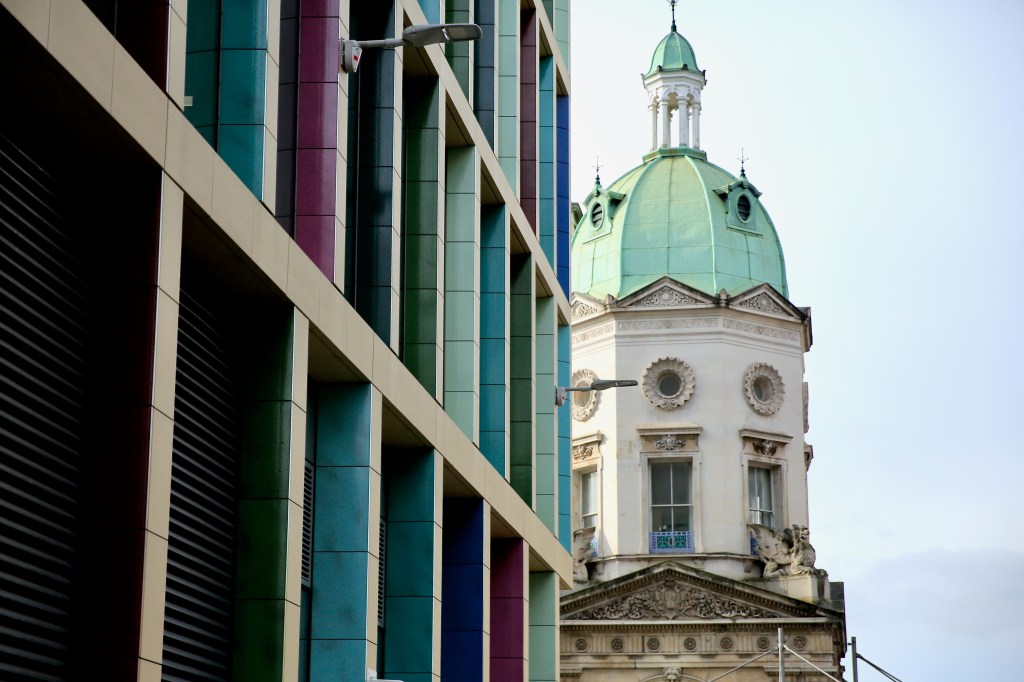
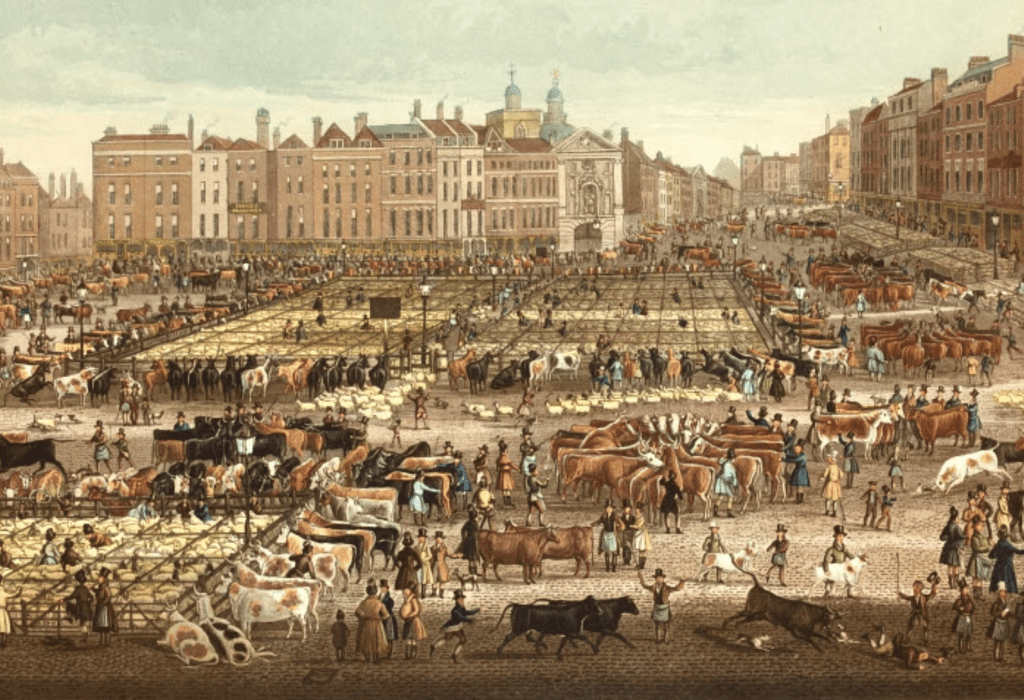
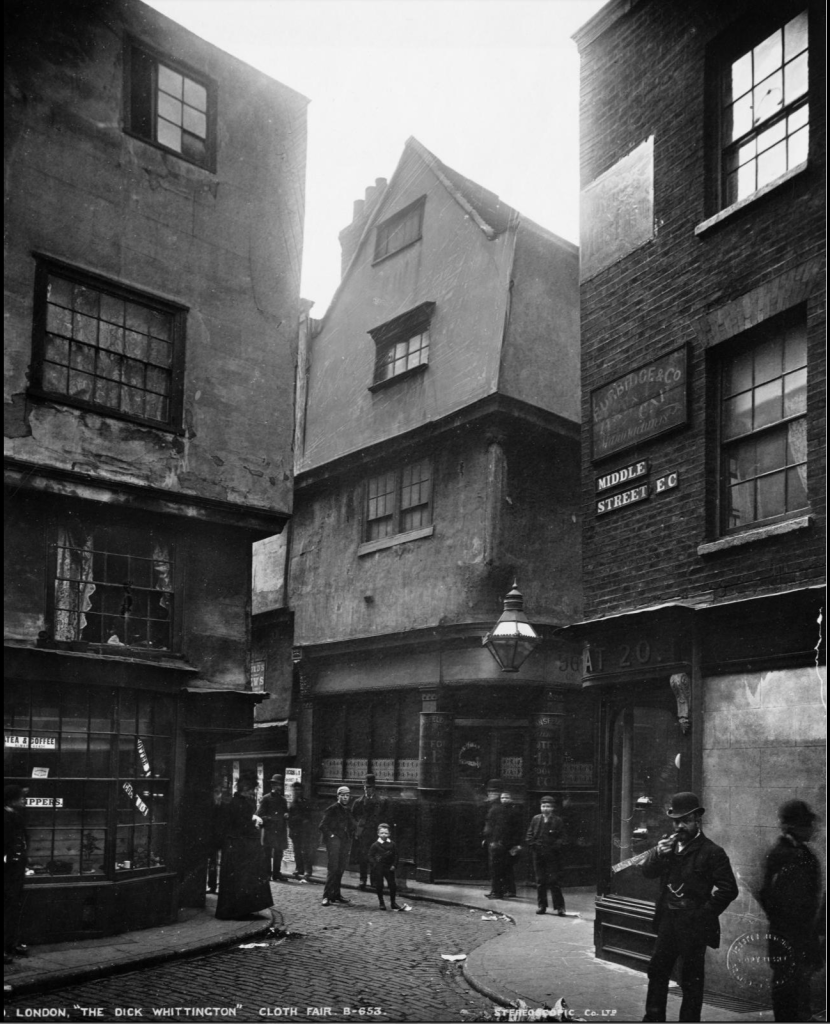
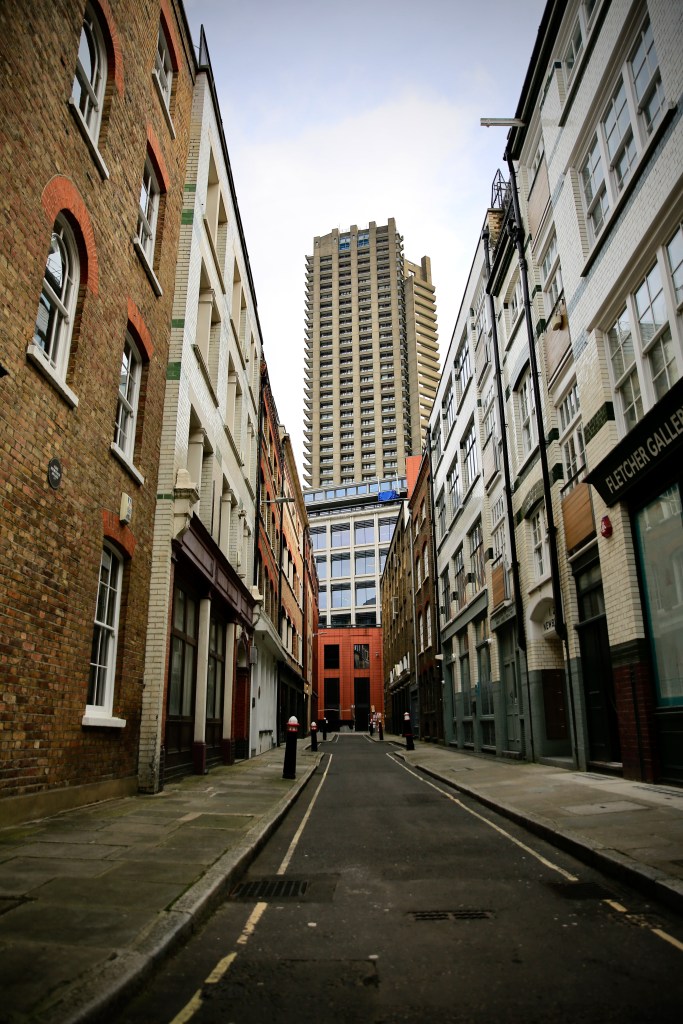
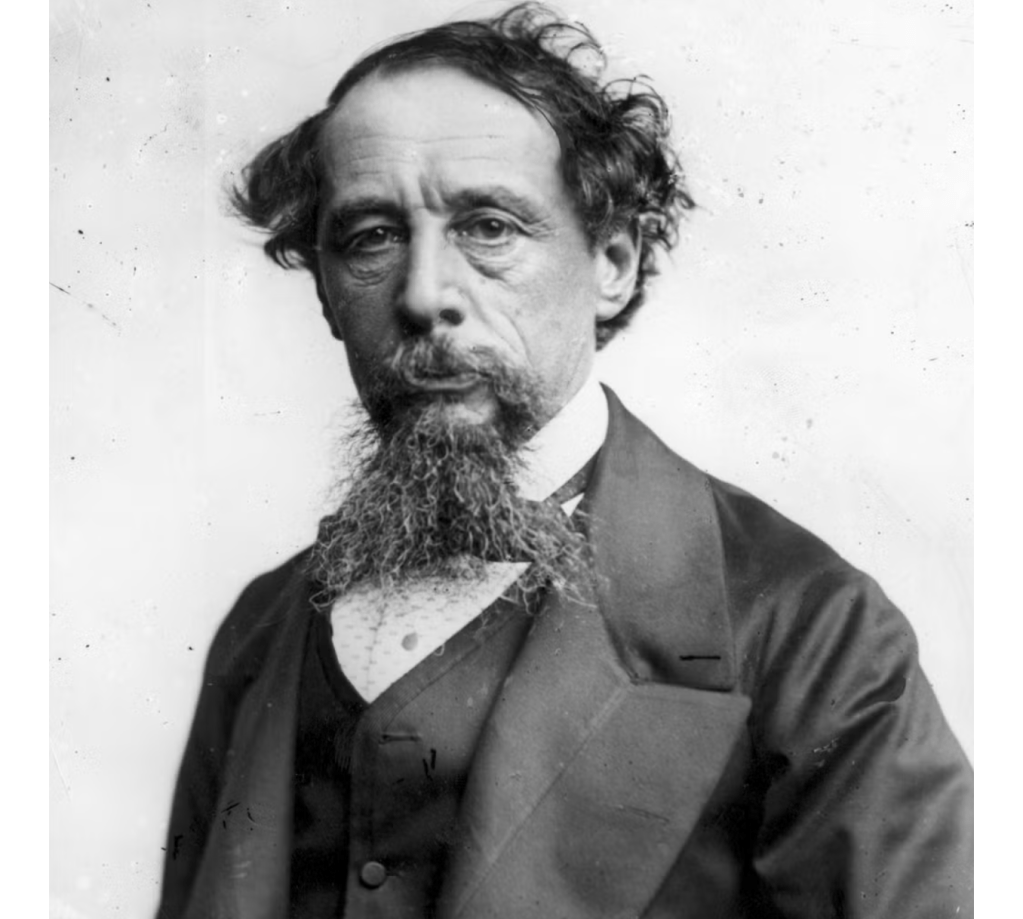
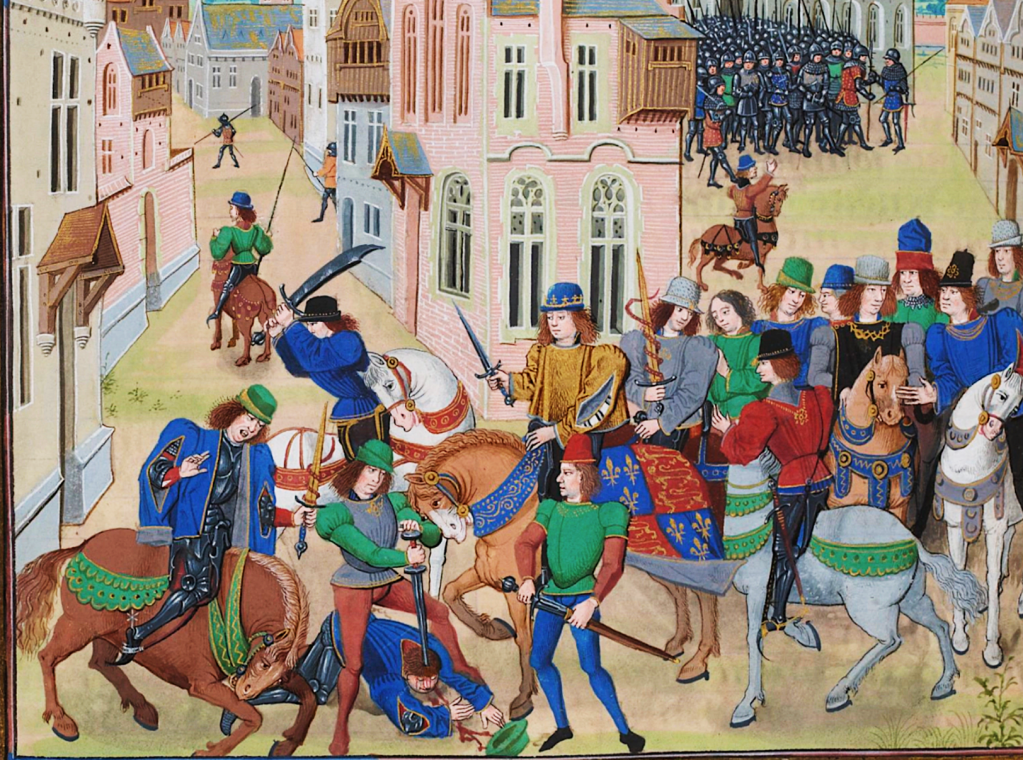
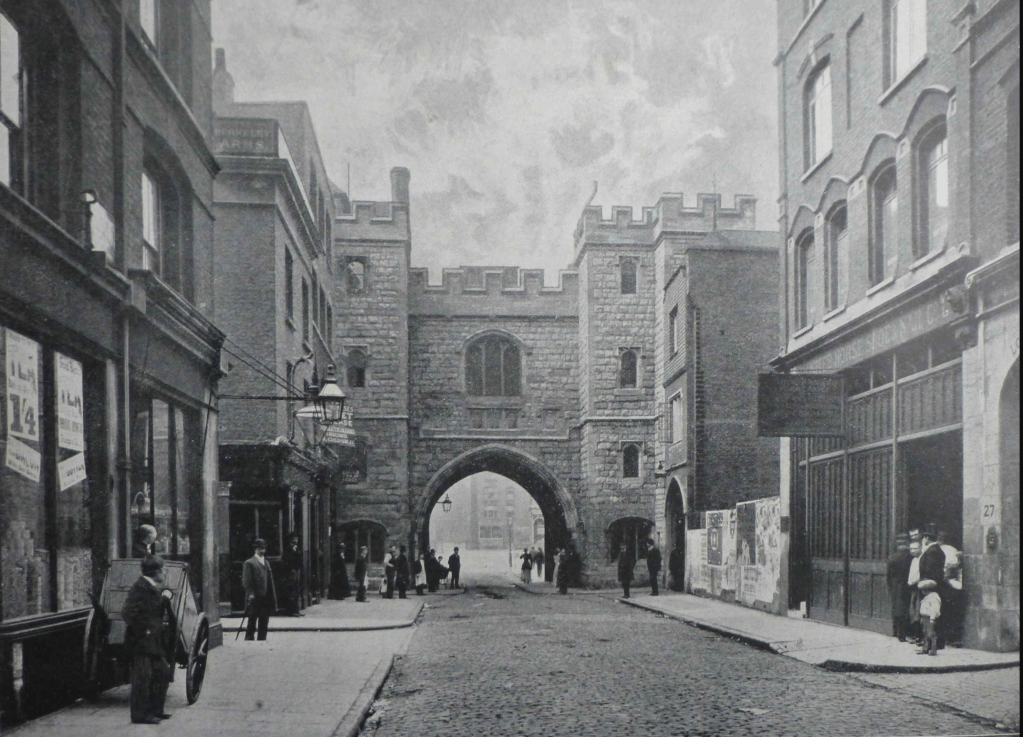
‘Rebels, Radicals and a brief history of English Activism’ covers some of the most significant occasions where ordinary people have directly challenged the authority of the state, and in a few cases, won. This is a celebration of those radicals and rebels. As we begin our walk we will pass across Victorian cobblestone streets, laid out in the early 1800s and grade II listed, sometimes you can literally walk on history. We examine Charterhouse’s green square where plague pits were dug in 1348; explore the history of the former Carthusian Monastery, brutally dissolved in the Reformation; and, at St Bartholomew’s we see the extent of state power visiting the site of macabre executions of revolutionaries, dissidents and martyrs. We then consider the final extraordinary days of the Peasants Revolt of 1381, the closest England ever came to a revolution and a societal reset. Next we admire the grand Victorian market building and reflect on its future as the new home of the Museum of London. Moving up the old droving roads to Clerkenwell, once used by Knights on their way to the Crusades, we explore the narrow passageways and alleys that once housed Victorian slums and sweatshops. At Clerkenwell Green we will explore the history of a growing movement for change and contemplate the courthouse where Charles Dickens worked as a reporter and where hundreds of people were sentenced to transportation and exile. From one exile to another, we see the library where Vladimir Lenin wrote his revolutionary newspaper and dreamed of the beginnings of a new state which would become the Soviet Union.
The walk is 1.2 miles and takes 2 hours.
 The London Walker