Starting on the platform at Liverpool Street Station this walk explores all those who arrived. The myriad people who through the centuries have come and made this city their home. This is a timeless, emblematic theme; the stateless, the dispossessed finding safety in this great city. The East End has always been a sanctuary for generations of people, all of whom have helped shape this unique corner. From the French Huguenots, the Russian Jews, the Irish and Bengali; all have made their own unique contribution to the story that is London. Walking through the streets you pass an astonishing array of cultures and faiths, it reflects both our fascinating past, as well as our intriguing future.
ARRIVALS AND ASSIMILATION TICKETS – MORE COMING SOON
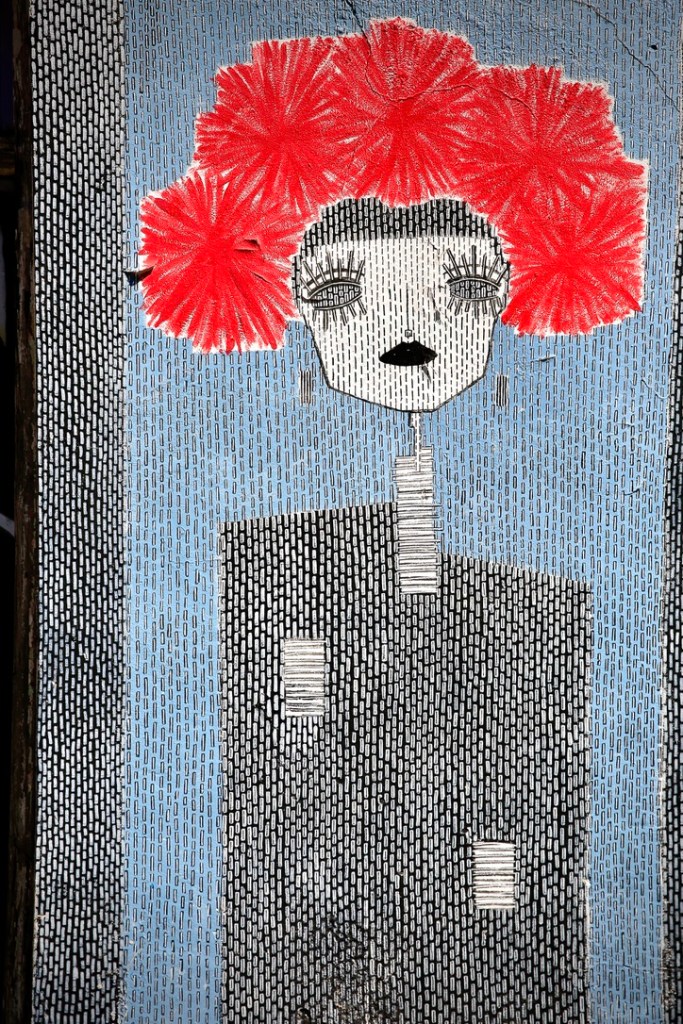
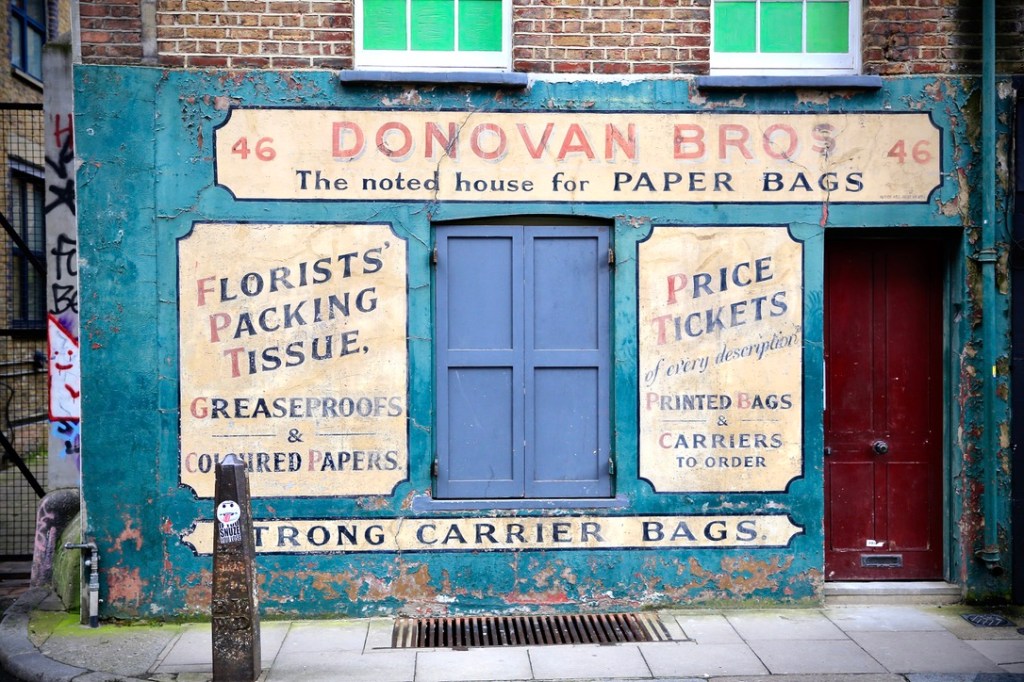
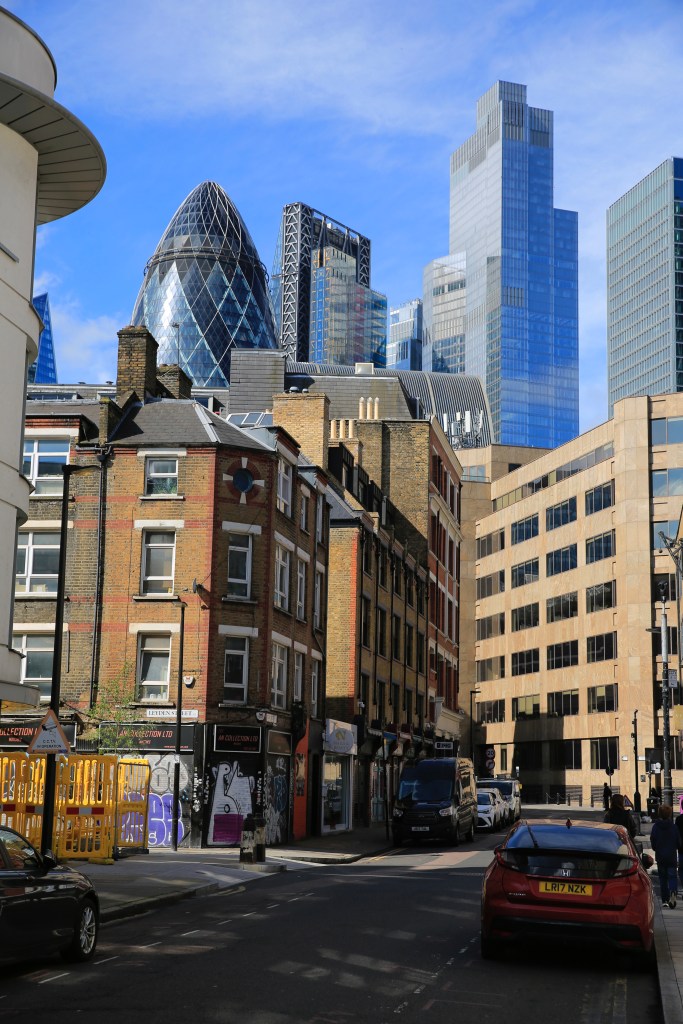
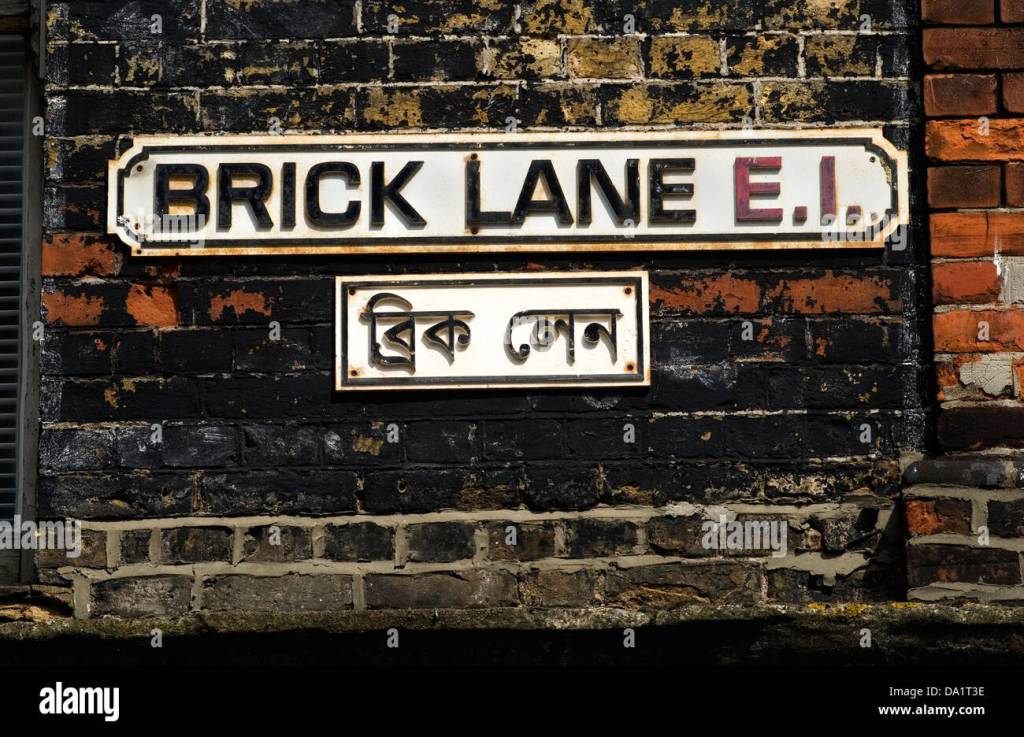
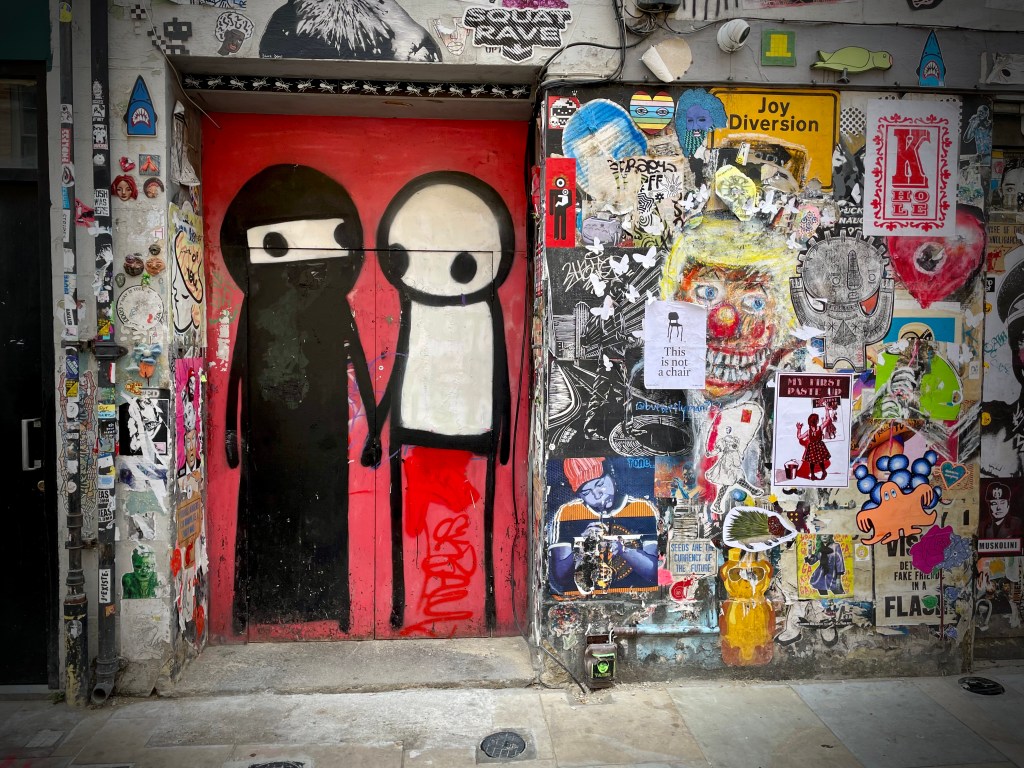
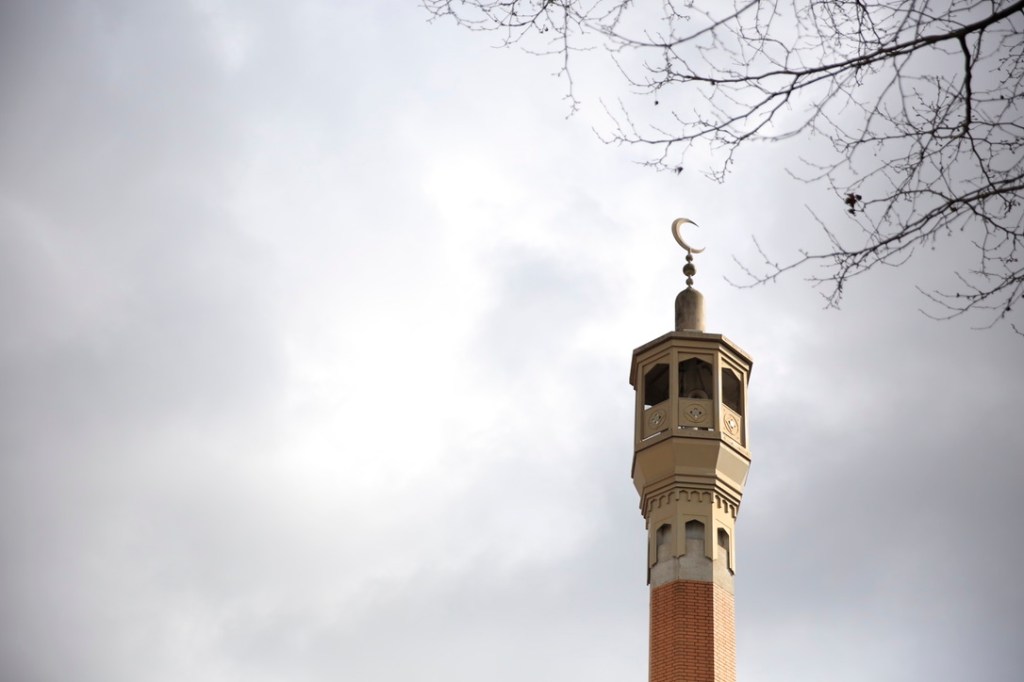
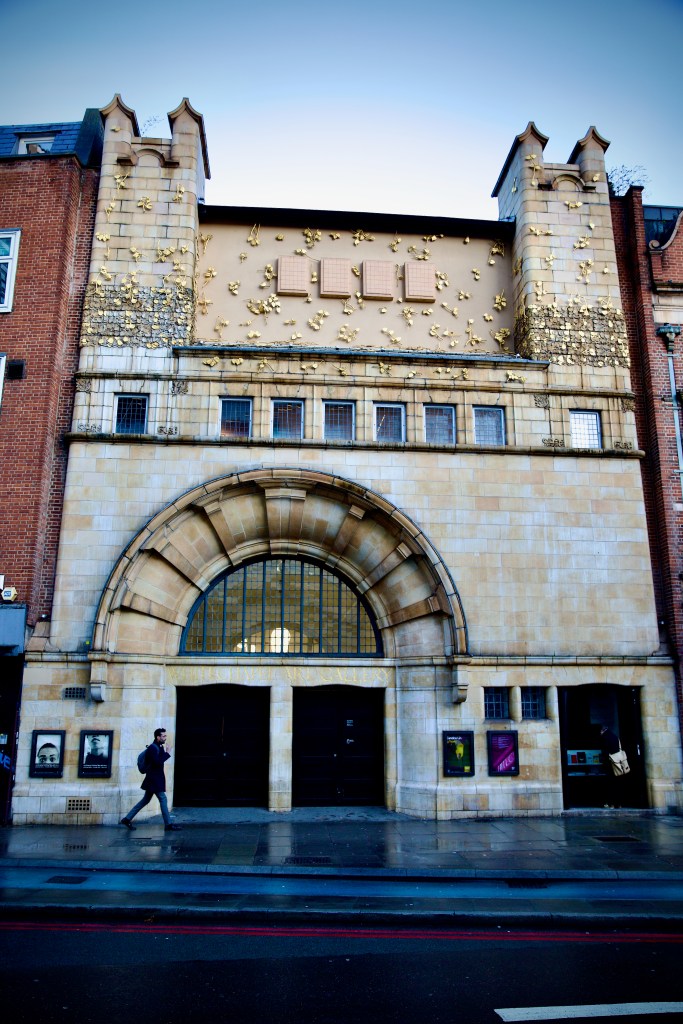
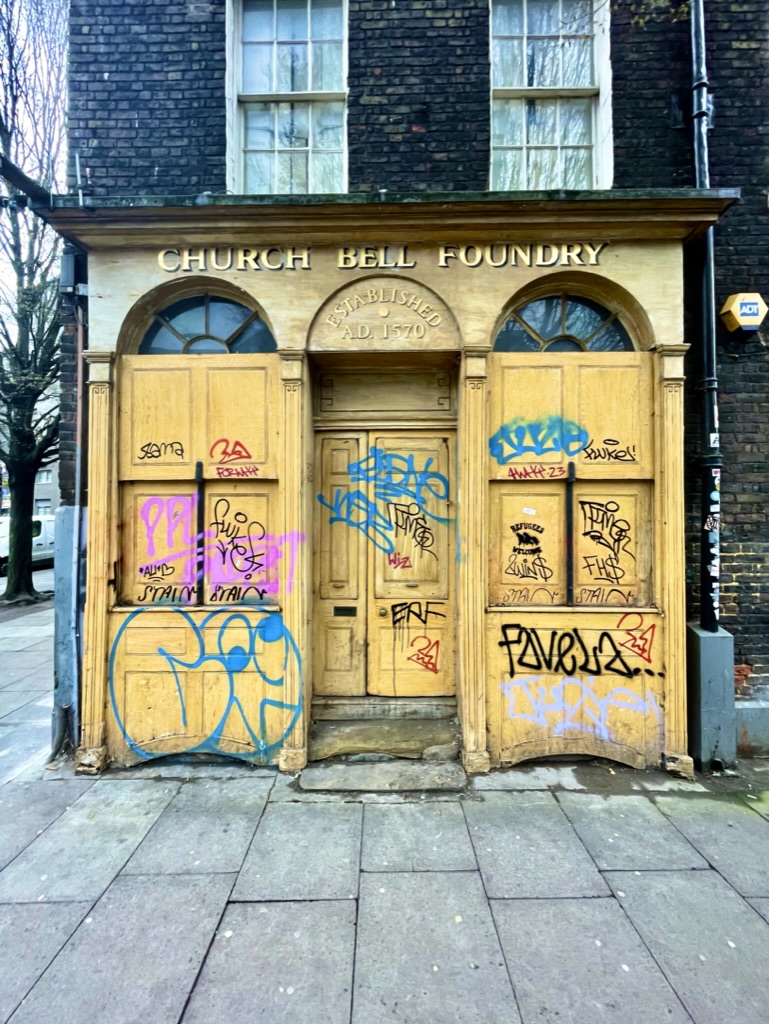
The East End has always been one of my favourite places in London. It has so much to offer and explore, and although it continues to reinvent itself with unrelenting energy, much of its history and past can still easily be found. Nestled in the looming shadow of the city, it feels like it lives an alternate life, one which is always is fascinating and filled with surprises. From the early Roman, the medieval, to the slums famous during the reign of Victoria, people from across the world have passed through these streets, all have left their mark.
The Route
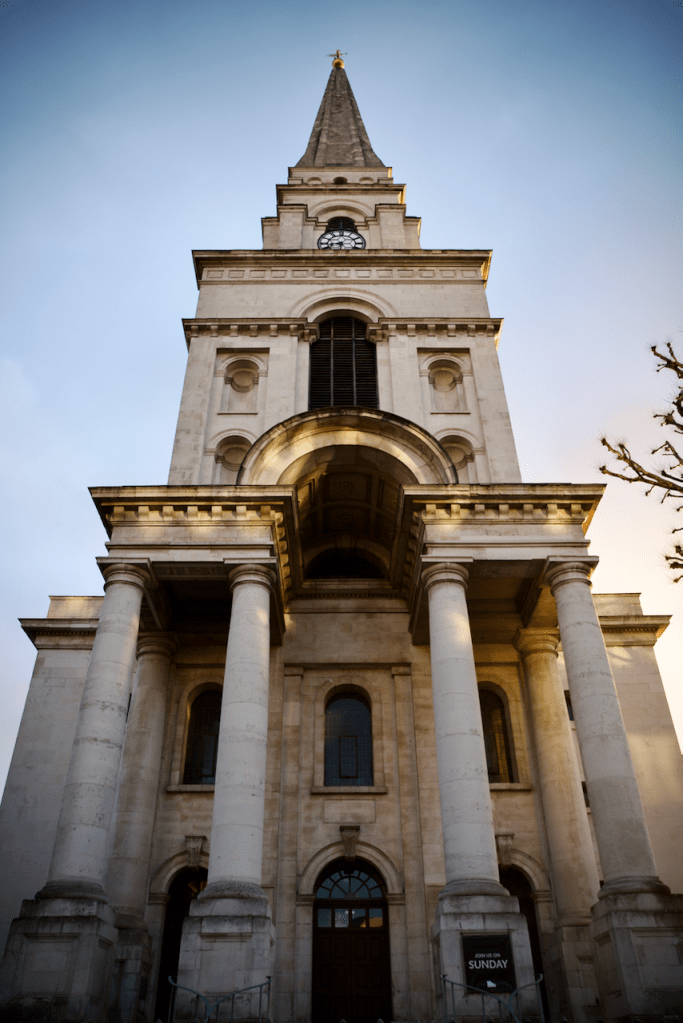
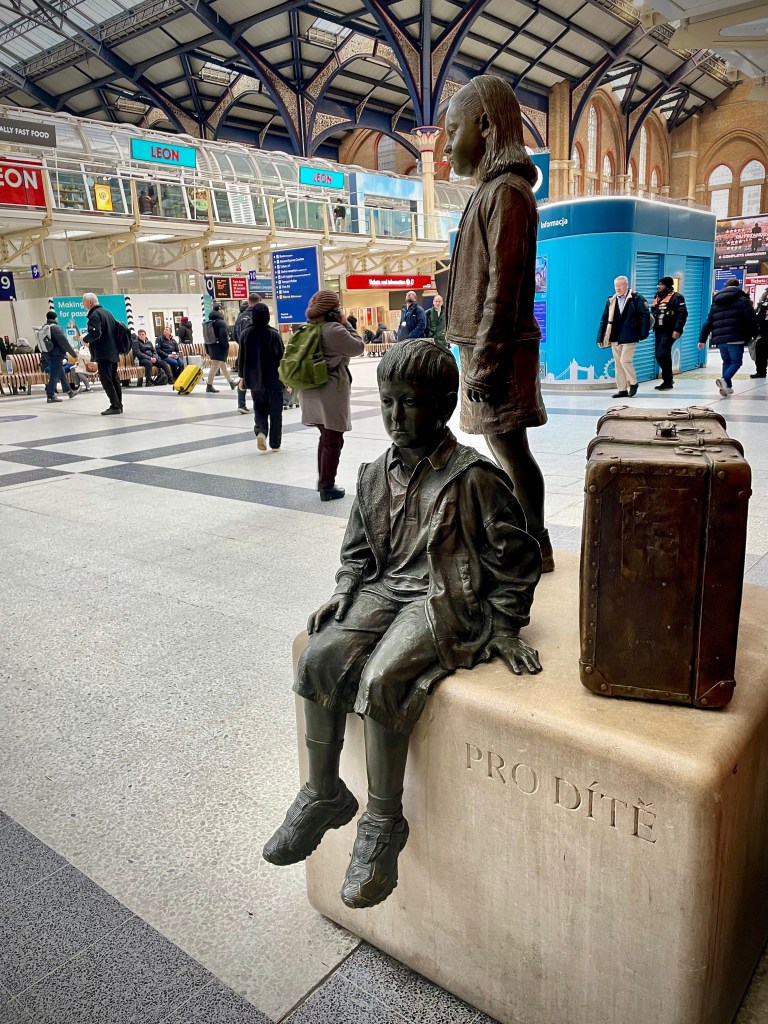
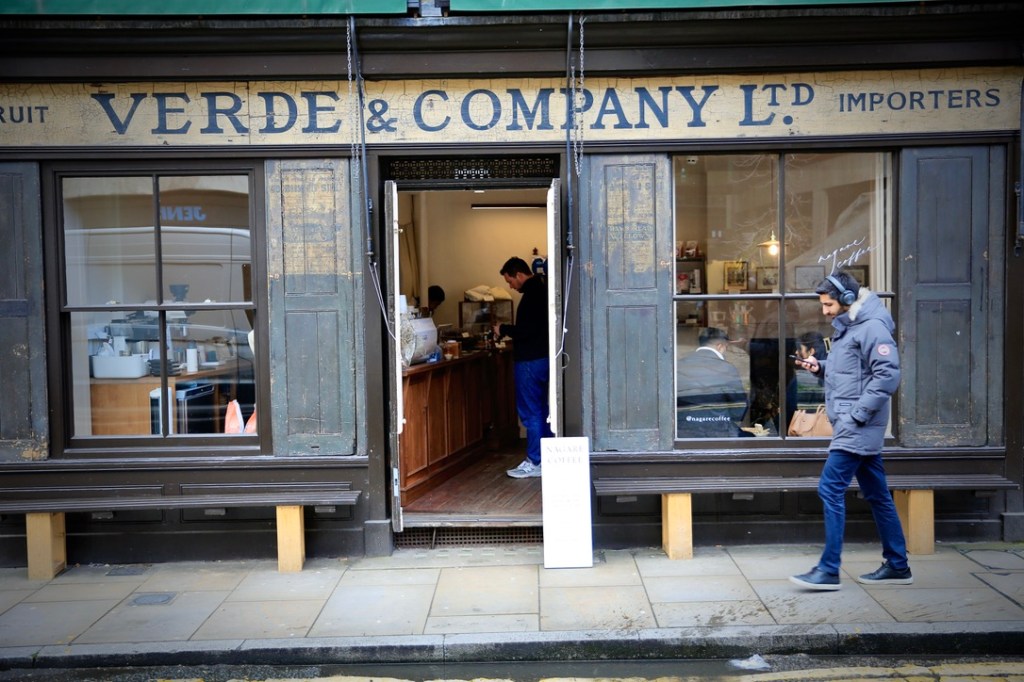
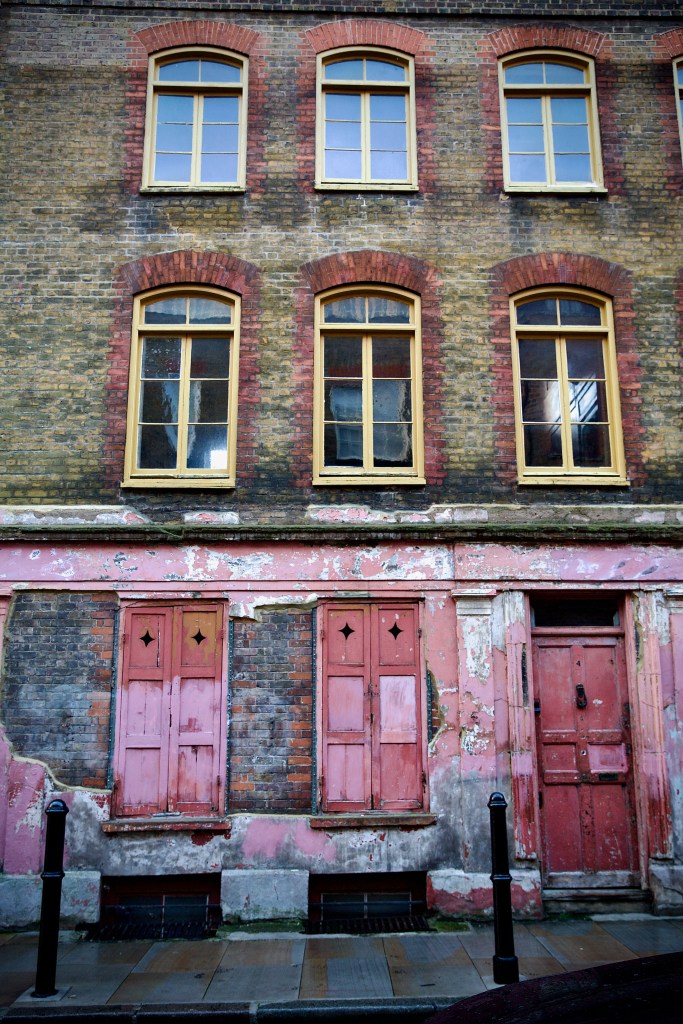
This walk begins at Liverpool Street Station, a place of profound arrivals. It was here that thousands of Jewish children fleeing Nazi-occupied Europe arrived on the Kindertransport. A reminder that London has long been a place of refuge. Crossing Bishopsgate, we explore the narrow atmospheric streets in and around Spitalfields, from the stout warehouses of Empire to one of the last surviving synagogues. Passing through Artillery Passage, one of London’s most atmospheric Georgian streets, with shopfronts dating back to the 1700’s we arrive at Spitalfields Market, where people have gathered and traded for centuries. We continue to Christchurch Spitalfields, its spire dominating the skyline, and the fine houses of Fournier and Princelet Street, built by Huguenot silk weavers. Then on to Brick Lane, where Jewish refugees escaping the pogroms in Russia settled in their thousands, followed by the Irish fleeing famine, and later the Bengali community, whose presence still shapes the area today. The walk continues into Whitechapel, past the Royal London Hospital, the East London Mosque, and the Whitechapel Gallery institutions that have served generations of newcomers. There is literally so much to see.
The walk is 2 miles and takes around 1.5 hours.
 The London Walker