A hidden cloister garden behind St Paul’s Cathedral holds a Roman pavement, a sculpture by Jacob Epstein, as well as a 3,000-year-old brick from the time of Babylon, brought to London by Agatha Christie’s archaeologist husband.
Almost exactly a year ago I posted a short film on Instagram about a small, easily overlooked garden near St Paul’s Cathedral. It was the very first video I shared about London, the first time I put myself in front of the camera, rather than behind it. To my astonishment it travelled far beyond anything I could have imagined. People from all over the world watched it, shared it, wrote to me about it. That small moment, in a quiet corner of the City seemed to resonate with folk, be it from Chile or South Korea to Australia. In many ways, that little garden began everything that soon followed. The business of guiding and story telling grew, and has led to some surprising collaborations, commissions and developments. So, a year later, it seems only right to return and to look more closely at this wonderful little place and what makes it so extraordinary.
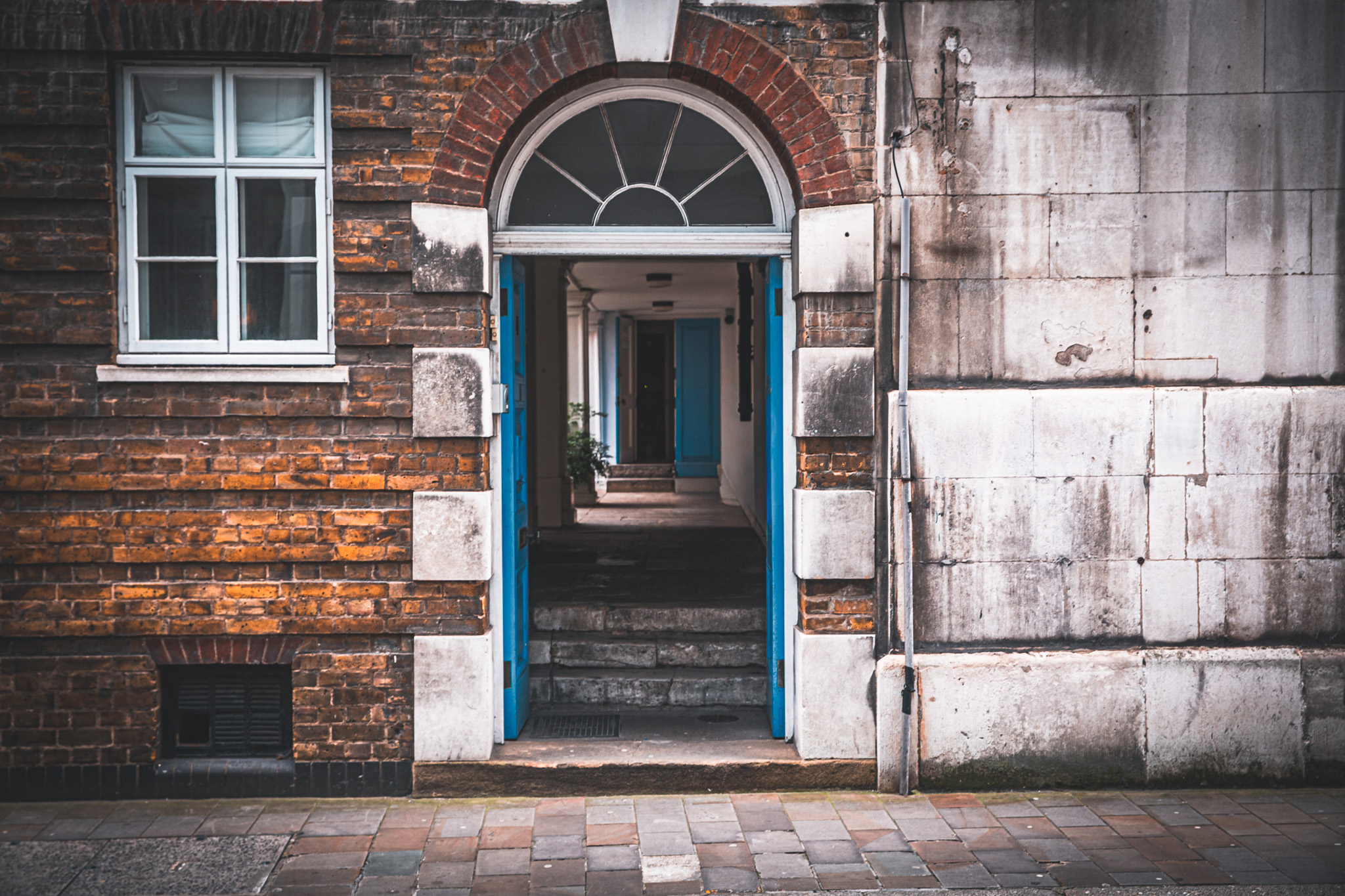
Tucked away down the old medieval street called Foster Lane, and just north of St Paul’s Cathedral, is a surprising and very satisfying little sanctuary. It is the sort of place you might walk past a hundred times and never notice, yet once discovered, its difficult to forget. Leaving behind the bustle of Cheapside, pass the beautiful church of St Vedast, it has stood here in one form or another since the twelfth century. Beside the church are a pair of modest blue doors.
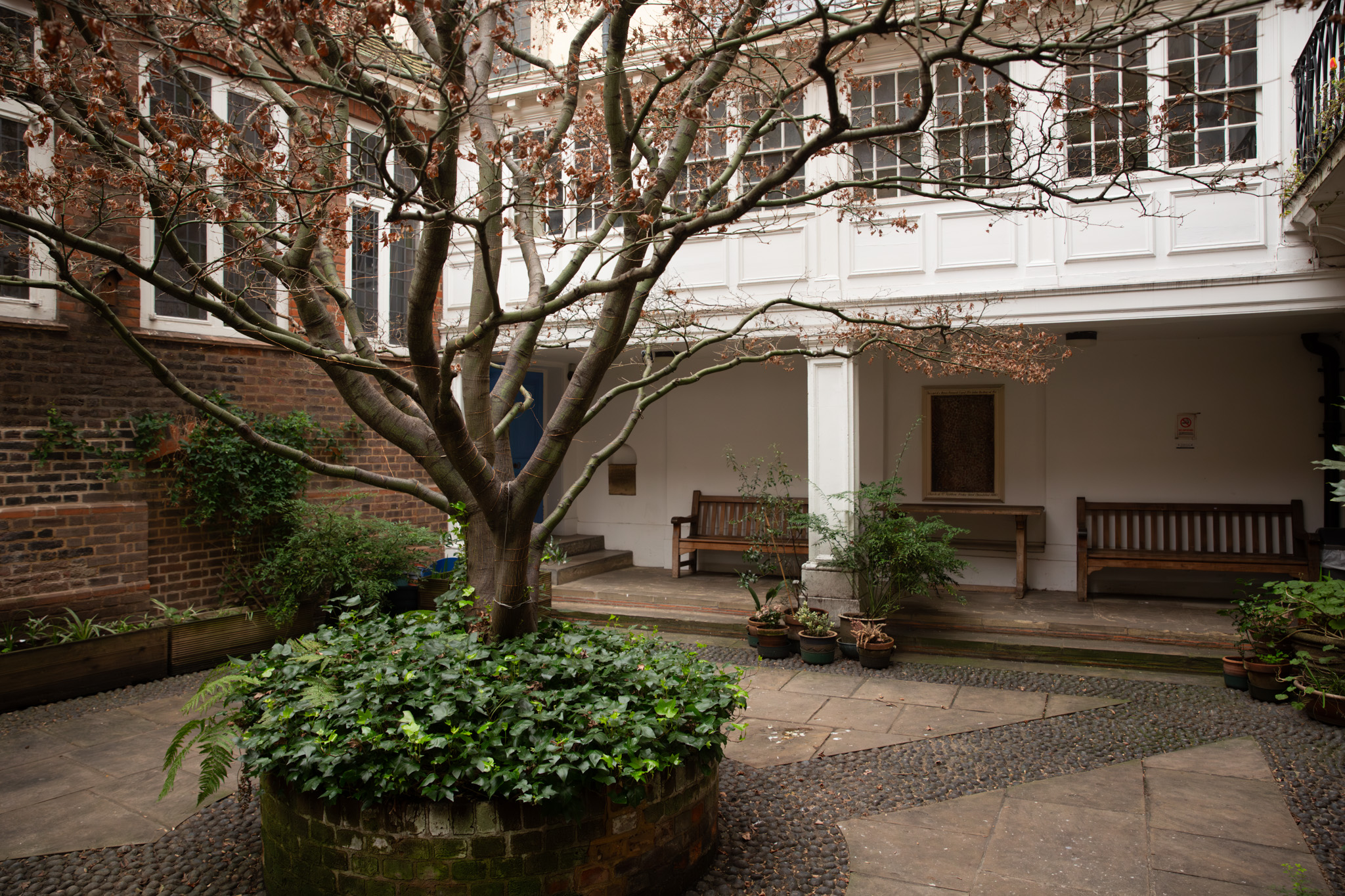
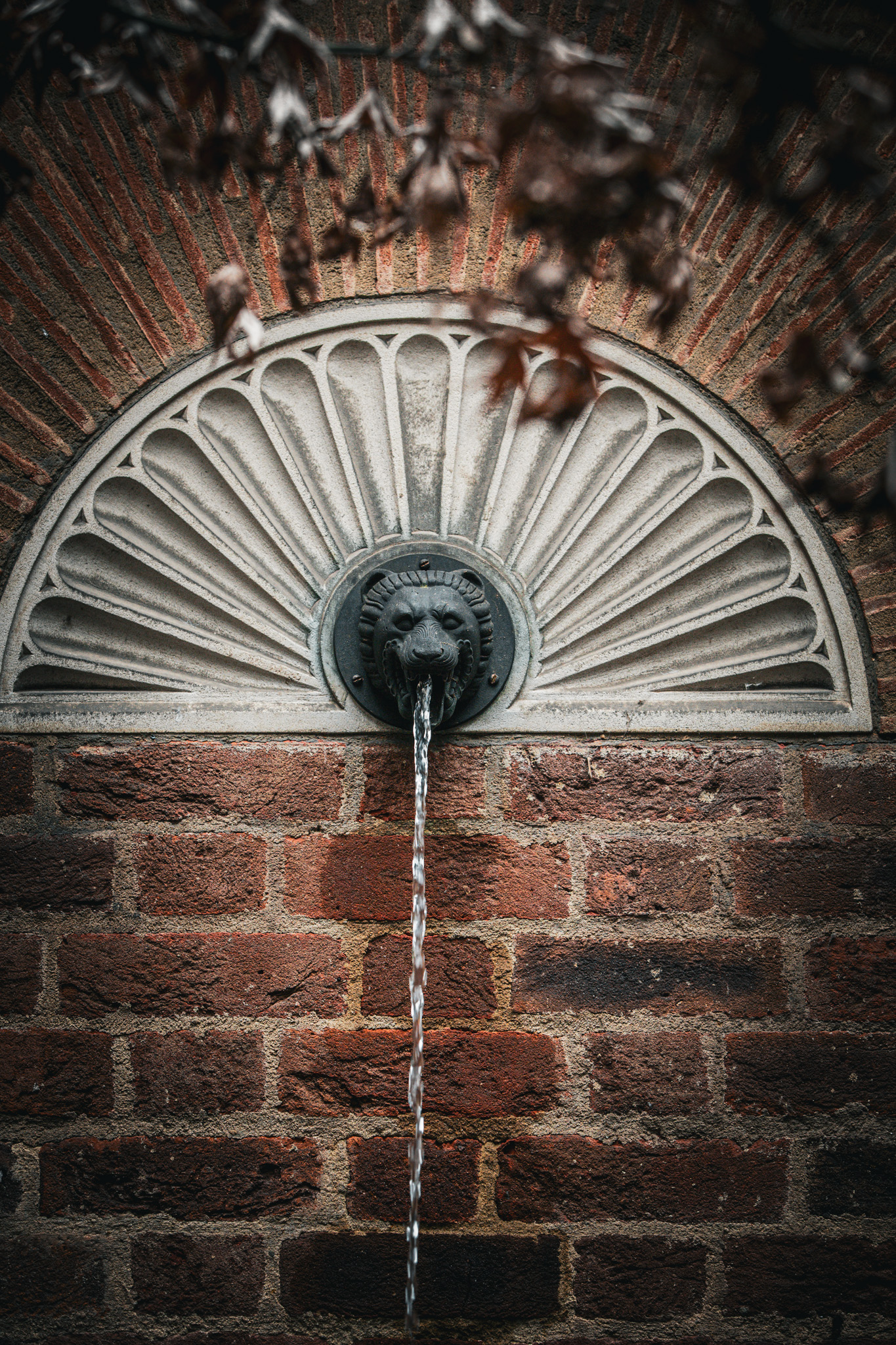
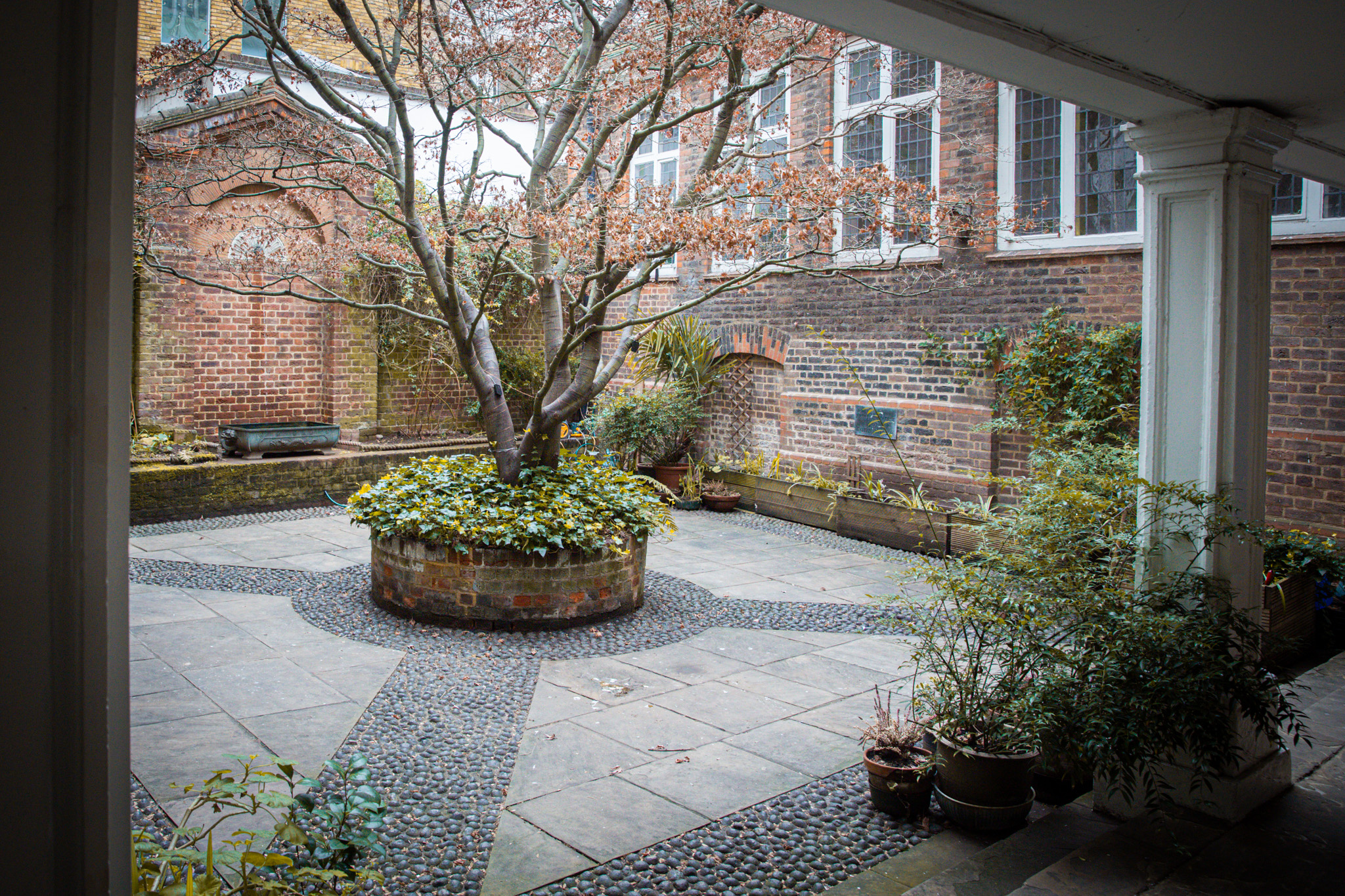
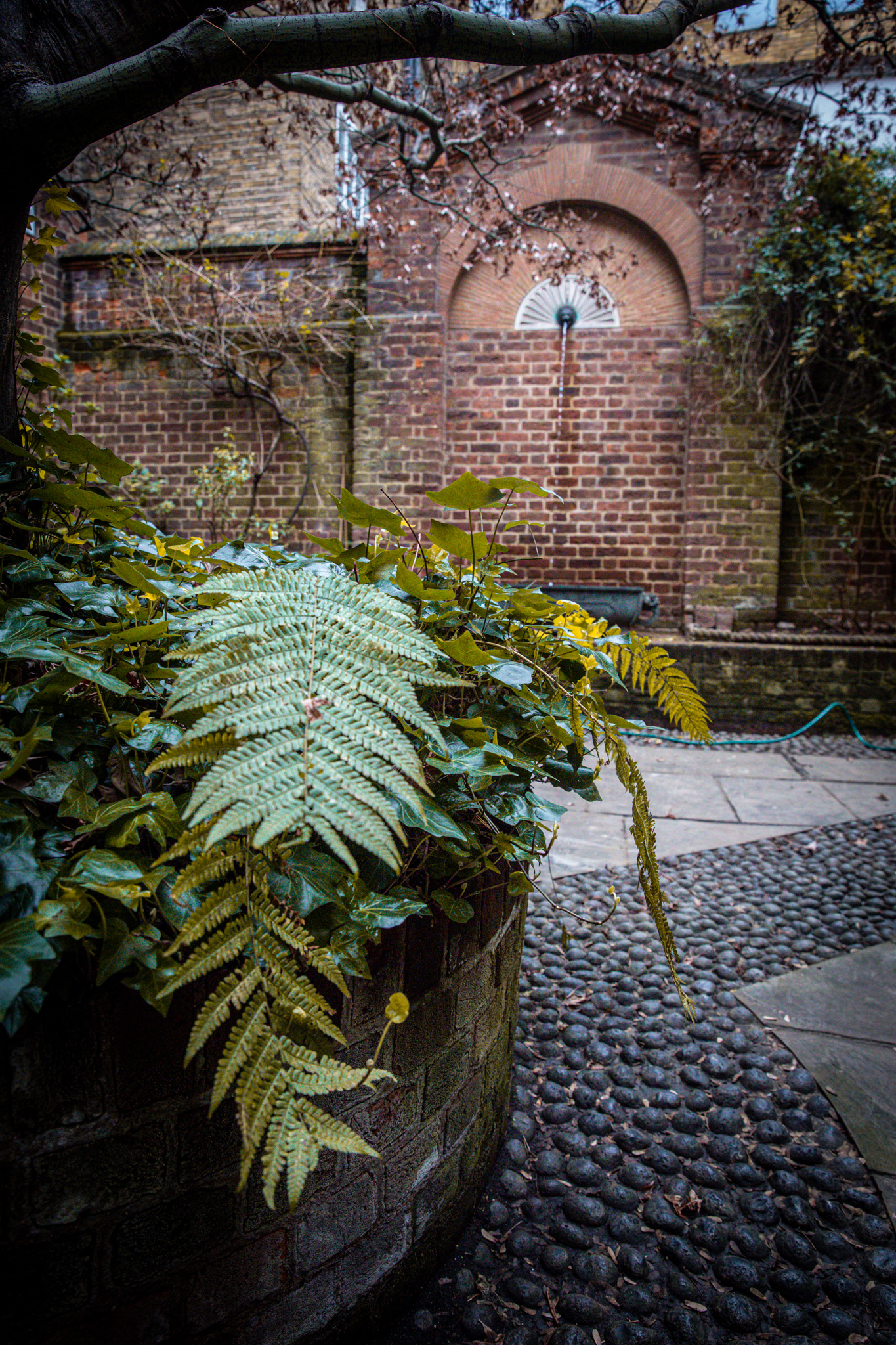
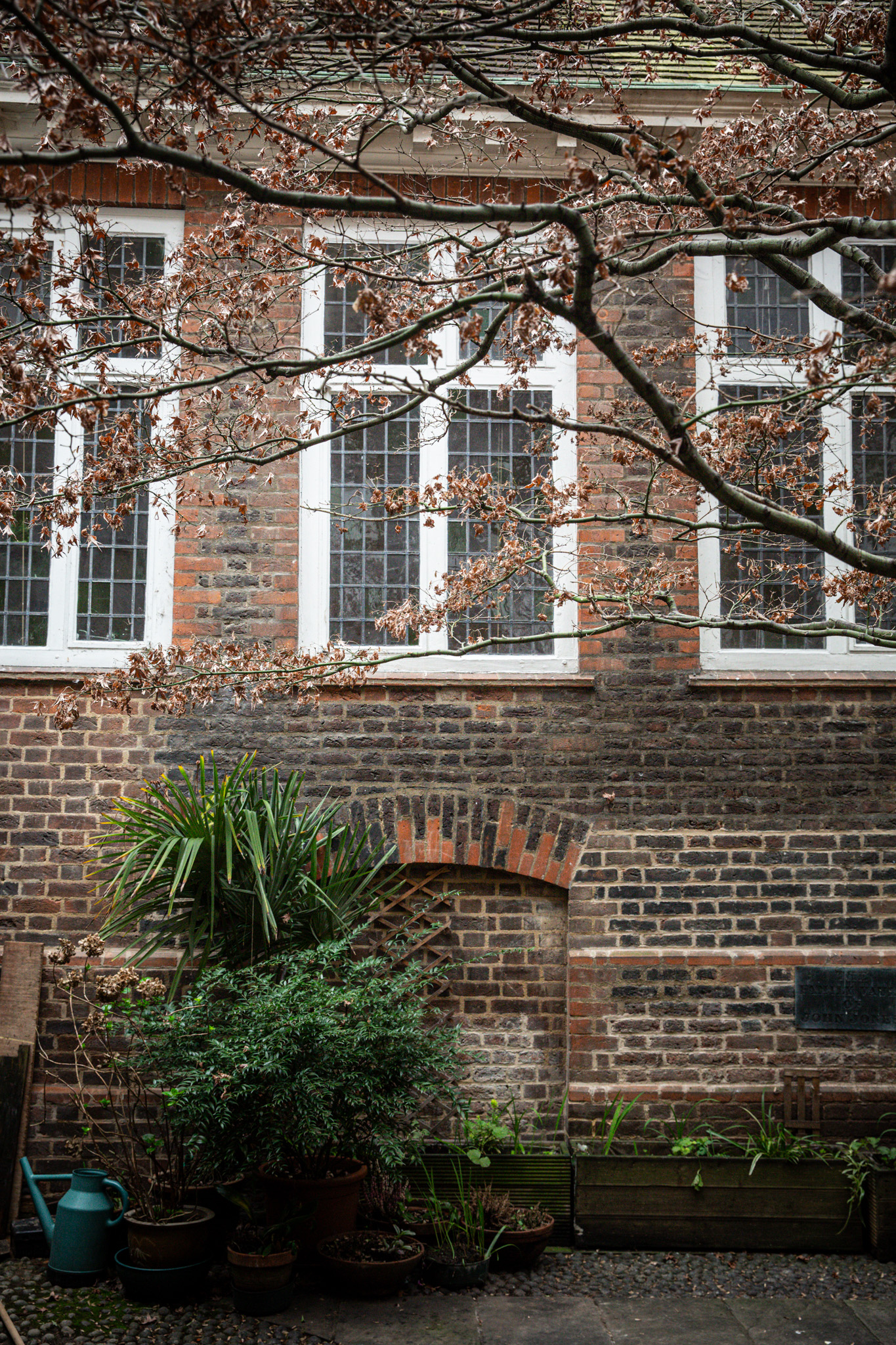
Step through them and the presence and noise of the city seems to disappear. You find yourself in the cloister garden of St Vedast. It is a small confined place, almost secretive in its scale. Framed by a little colonnaded arcade and wooden balcony, the space is crowded with plants and shrubs in old terracotta pots, in the middle is a wonderful maple, and on the far wall a little fountain, which encourages moss and ferns at its base. At lunch time office workers come here with their sandwiches and coffee, but more often the garden sits in a kind of gentle seclusion, a place of calm suspended in the middle of London.
Yet the real wonder of this garden lies in its quiet corners.
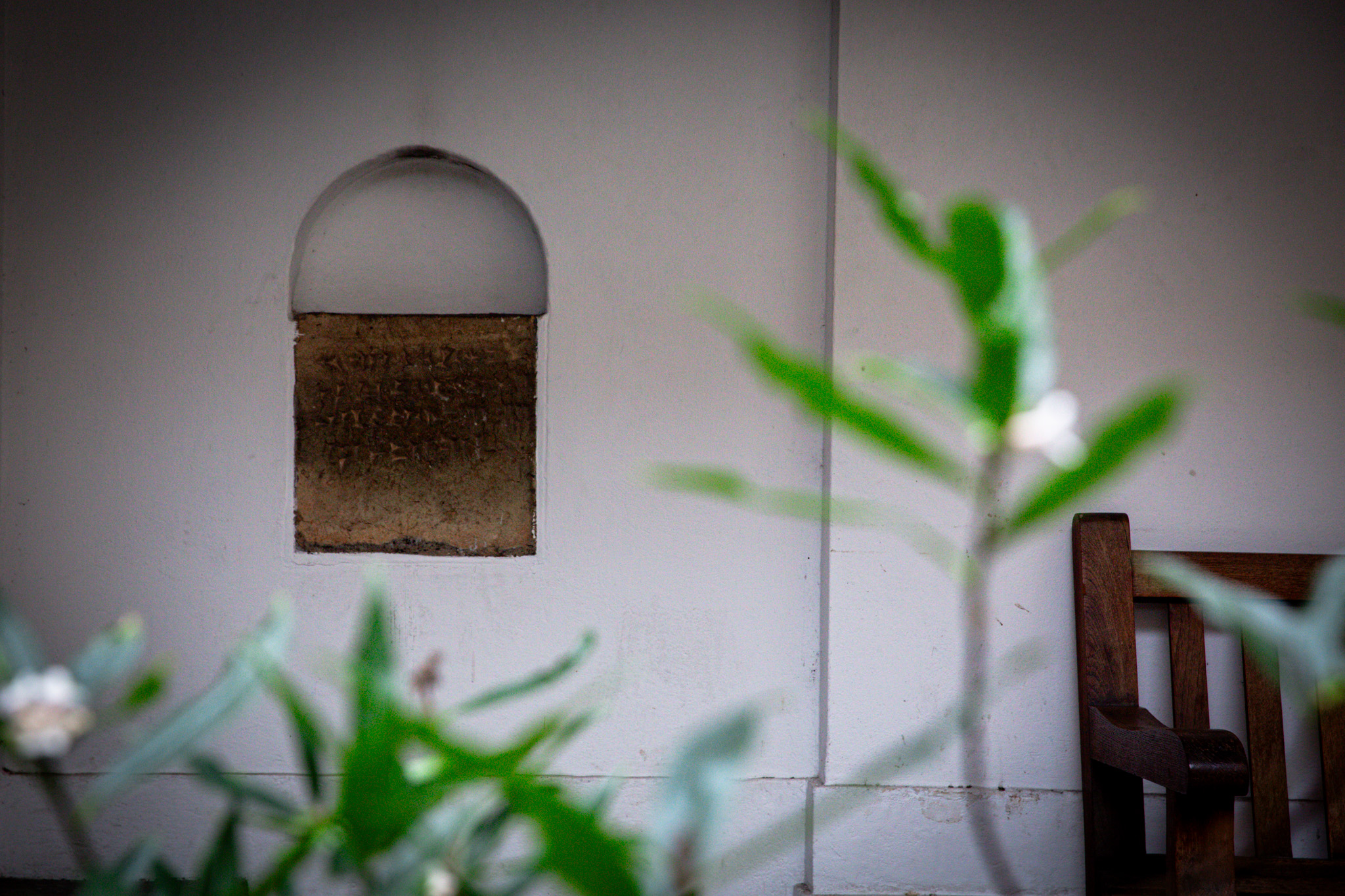
Set into a small alcove is something quite extraordinary: a mud brick from ancient Iraq, baked under a Bronze Age sun. It was from a Ziggurat, a terraced pyramid like structure common among the Assyrian, Babylonian, Sumerian peoples who lived in the fertile crescent over three thousand years ago. Its surface, although worn, bears neat rows of cuneiform, wedge-shaped writing recording a dedication to Shalmaneser III, King of Assyria. Reigning between 859–824 BC Shalmaneser III was a powerful and aggressive leader, who was known for his relentless wars and campaigns, expanding the Assyrian empire across Syria, Israel, the Lebanon and Iraq.
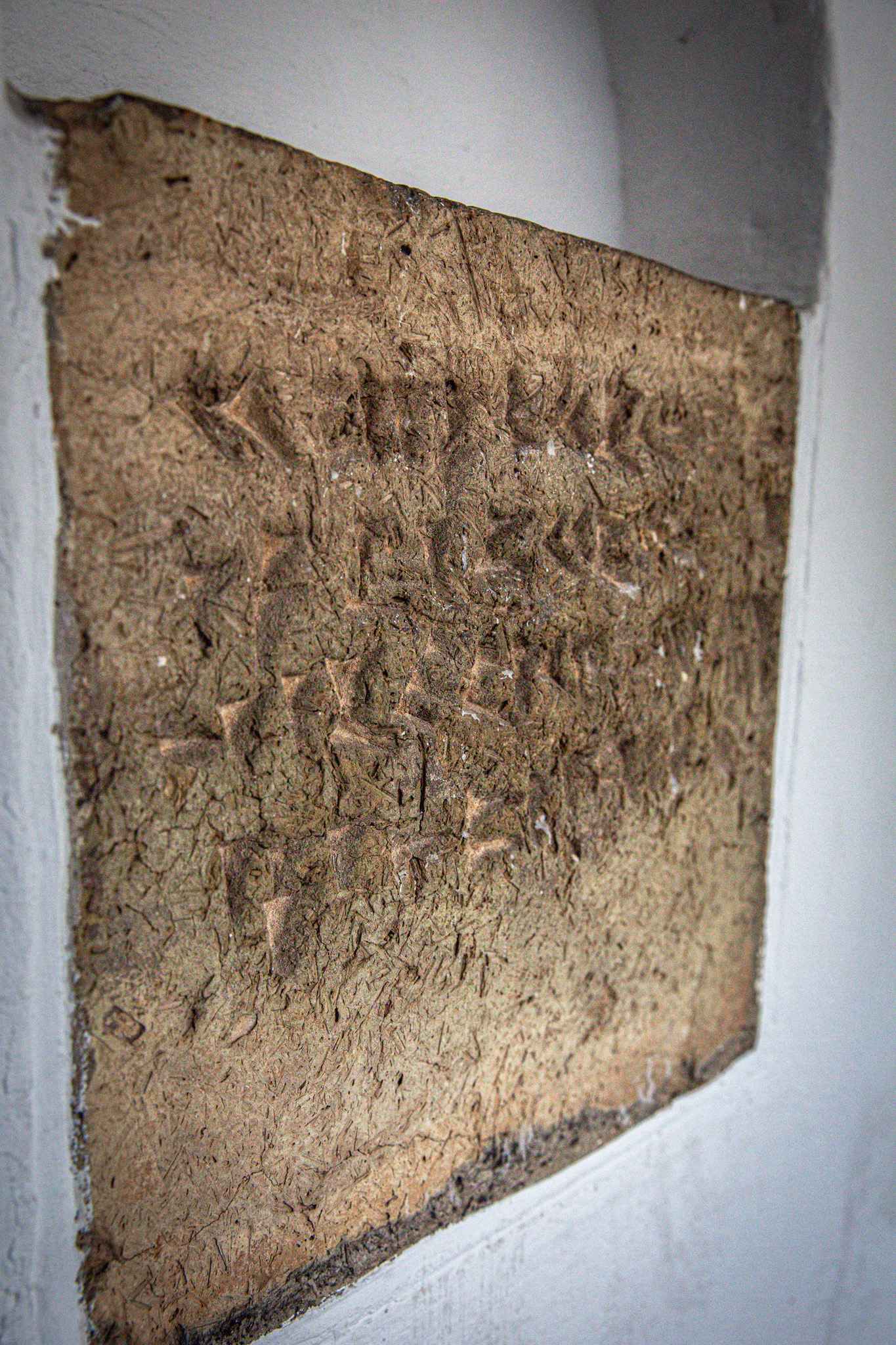
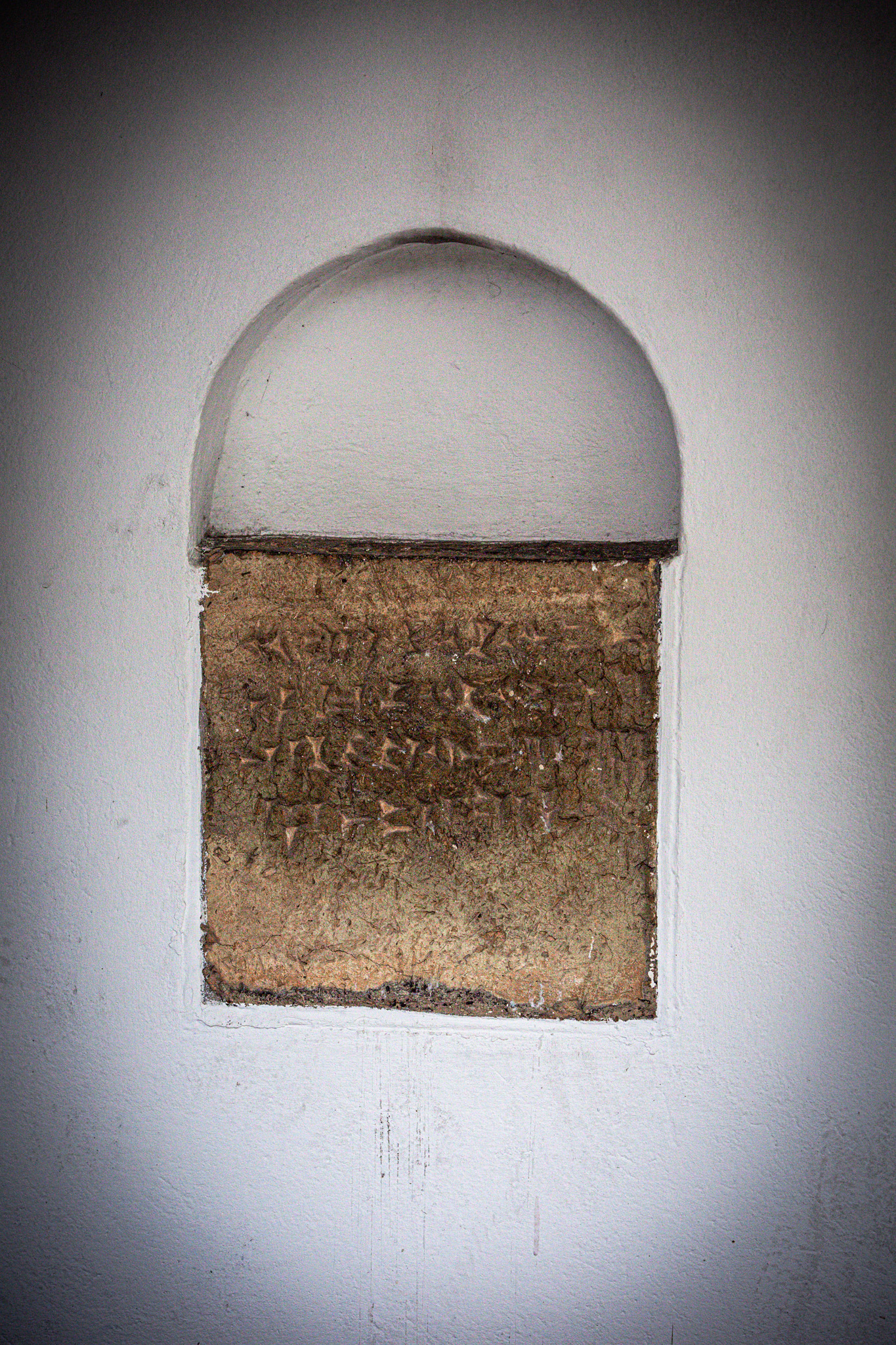
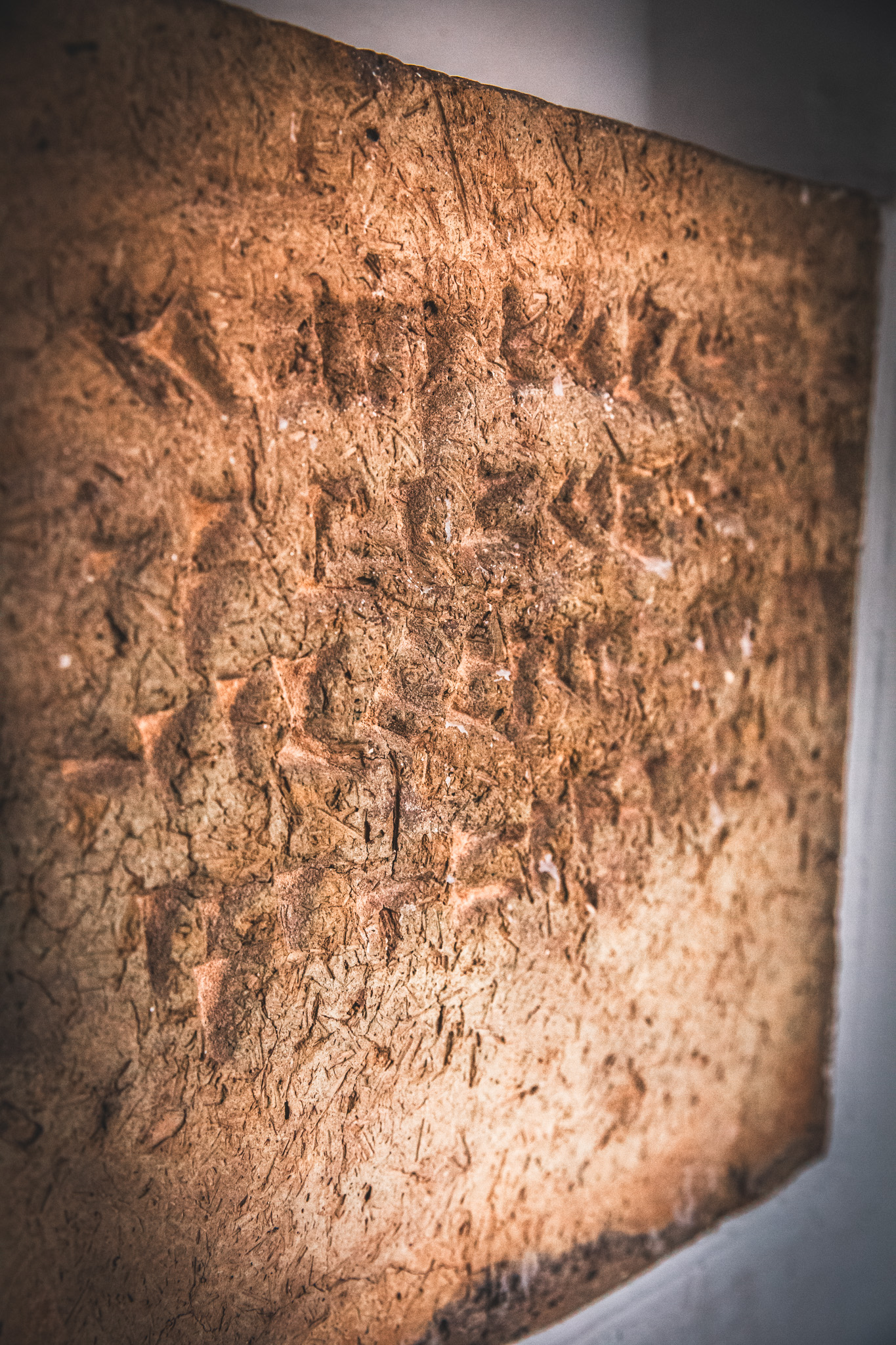
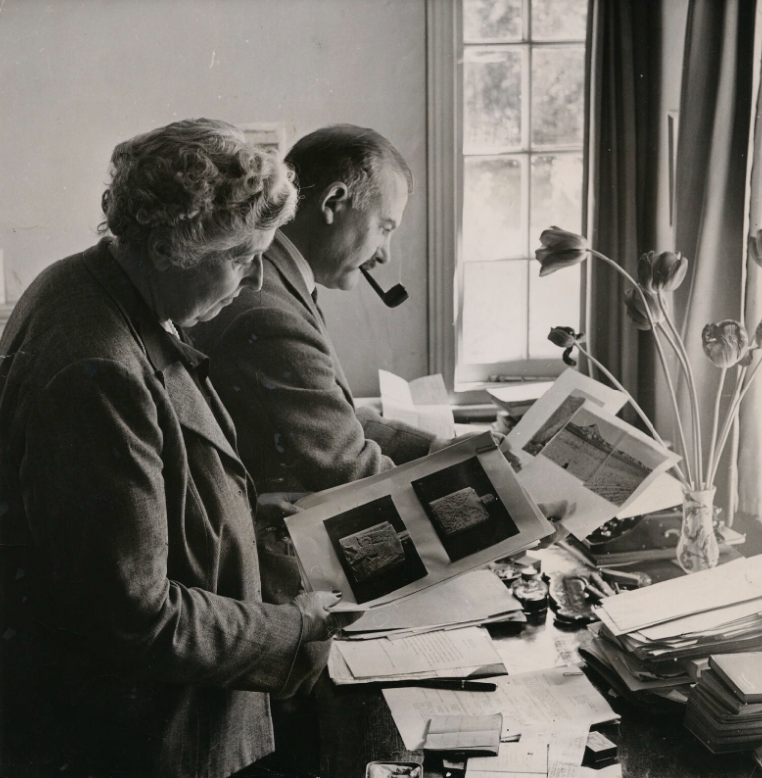
There is something almost absurdly marvellous about it. In the shadow of St Paul’s, amid the glass offices of the city, the crowds of tourists thronging by the Thames nearby, you can stand inches away from an object shaped in the age of Babylon: and no one seemingly knows about it. How it got here is almost as intriguing as its initial history. The brick arrived here in the 1950s, a gift to Canon Charles Mortlock, the rector of the church and brought back by the archaeologist Max Mallowan. Mallowan spent much of his life excavating the great cities and sites of Mesopotamia, carefully uncovering the remnants of some of our earliest civilisations. On top of that rumour had it that he was also working for the foreign office as a spy. He also happened to be married to Agatha Christie, so quite an interesting chap. Christie often accompanied him on these expeditions, helping catalogue finds between writing sessions. She once remarked of him with wry affection:
“An archaeologist is the best husband a woman can have. The older she gets, the more interested he is in her.”
And that remarkable old brick is by no means alone. On the nearby wall is another incredible reminder of our past. A small section of Roman pavement, discovered by Victorian labourers during building works on the church. It reminds us that the ground beneath our feet was once part of another thriving incredibly populous city, which had connections across the known world: Londinium.
I am obsessed, nearly to an unhealthy point, with anything to do with the Romans. They are rich and absurd, fabulous and awful, utterly mind bogging to me. And its amazing to stand and look at the detail in the tessellated flooring. The little chips of brick and tile, placed carefully to create concentric rings in the mortar. Who made this, who walked across this in the fluttering light of ancient oil lamps, did the heat of a summers day radiate across this floor. It is as near to their lives as you can get, as you can imagine. You can touch it, run your hand over its surface, and connect to a world that was lived two thousand years ago. It takes my breath away.
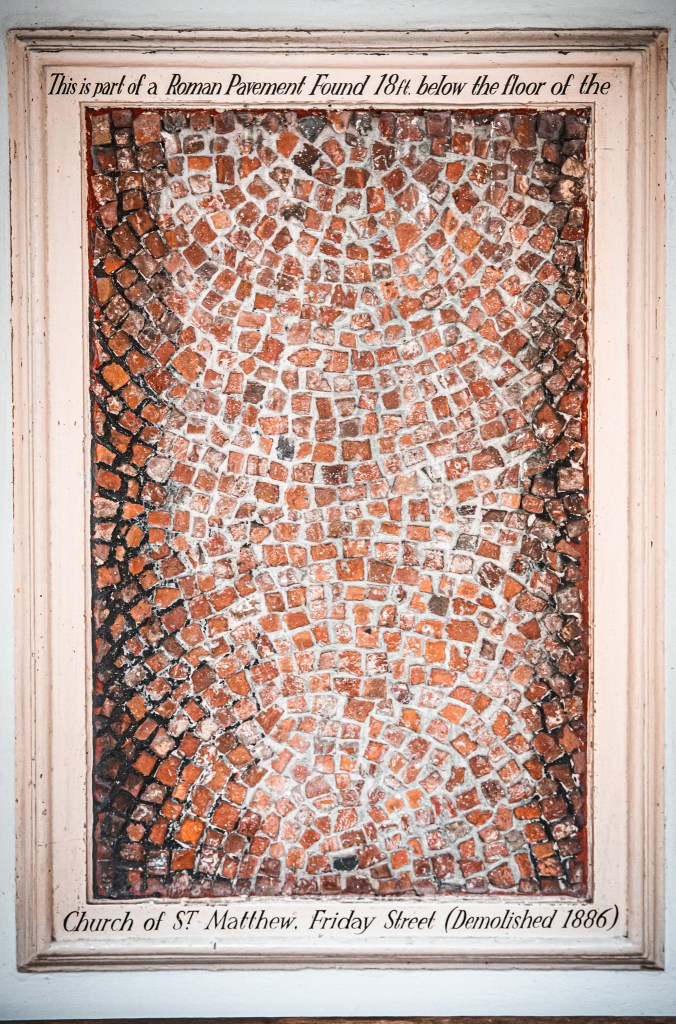
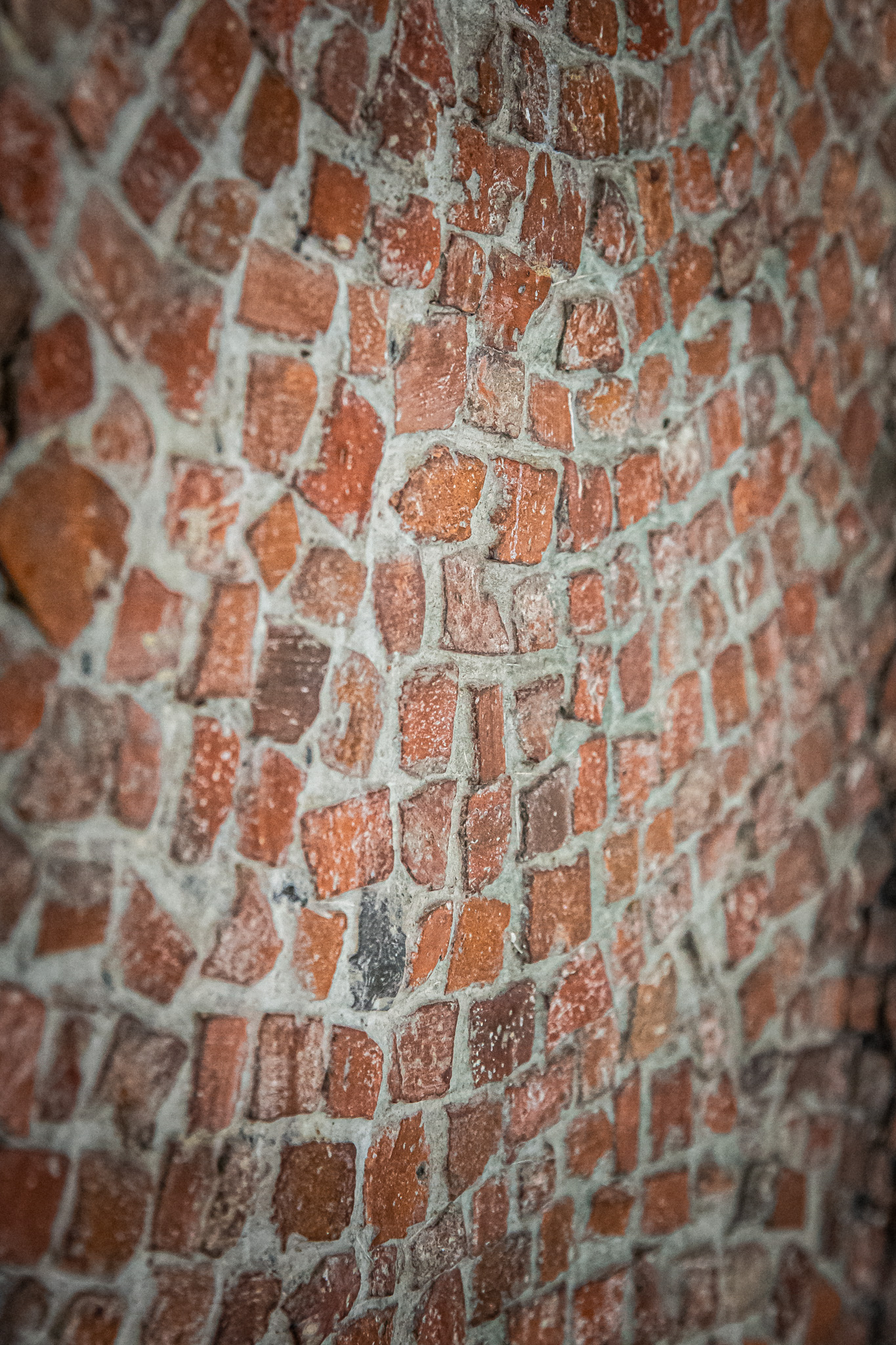
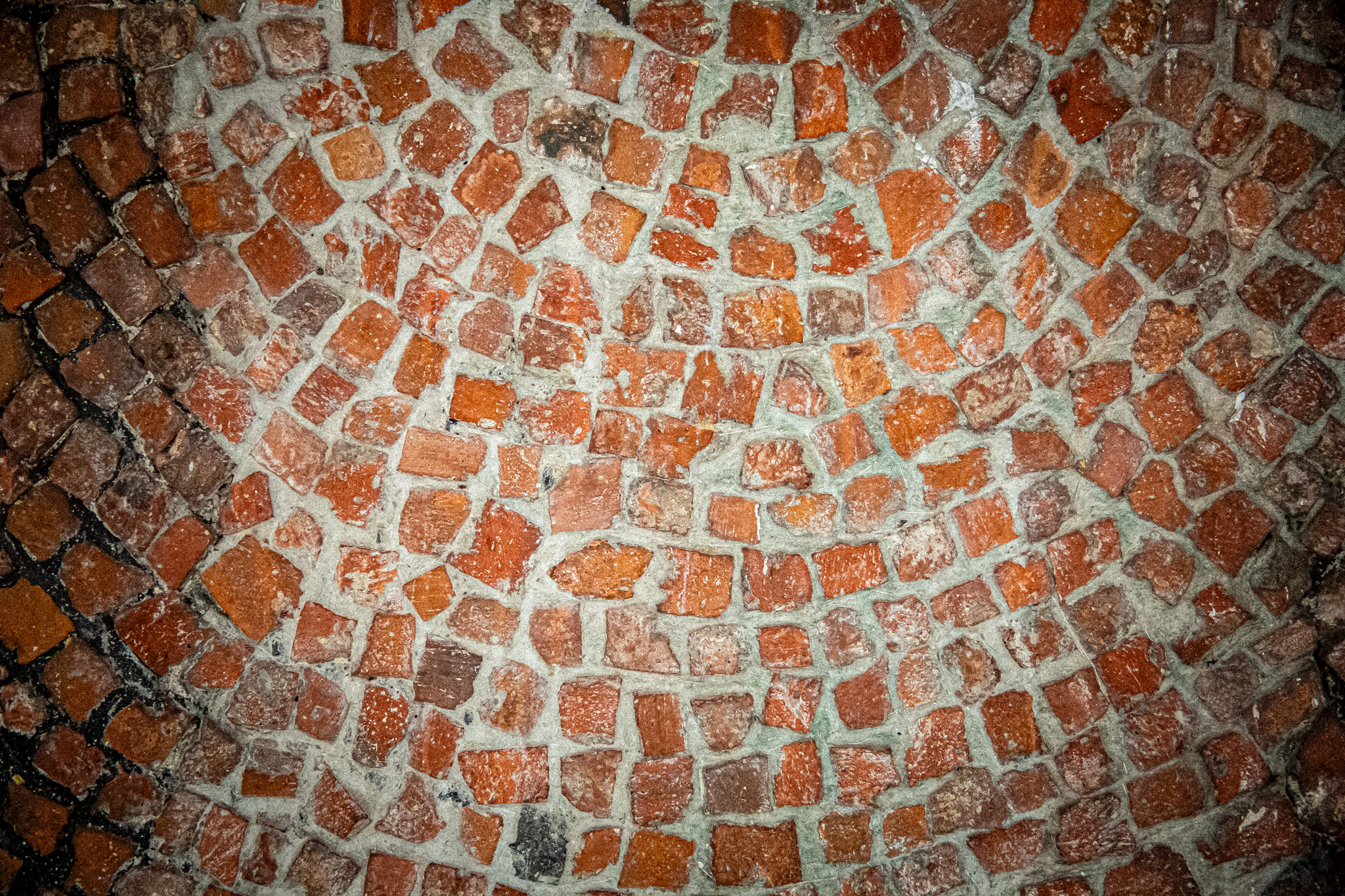
In another corner is a sculpture by Sir Jacob Epstein, which should probably be in the Guggenhiem or the New York Met, instead it sits near the potted japonicas and the recycle bin. Its modern form sharing the space with these relics of antiquity. Three thousand years. Two thousand years. A century. All gathered within a garden scarcely larger than a courtyard.
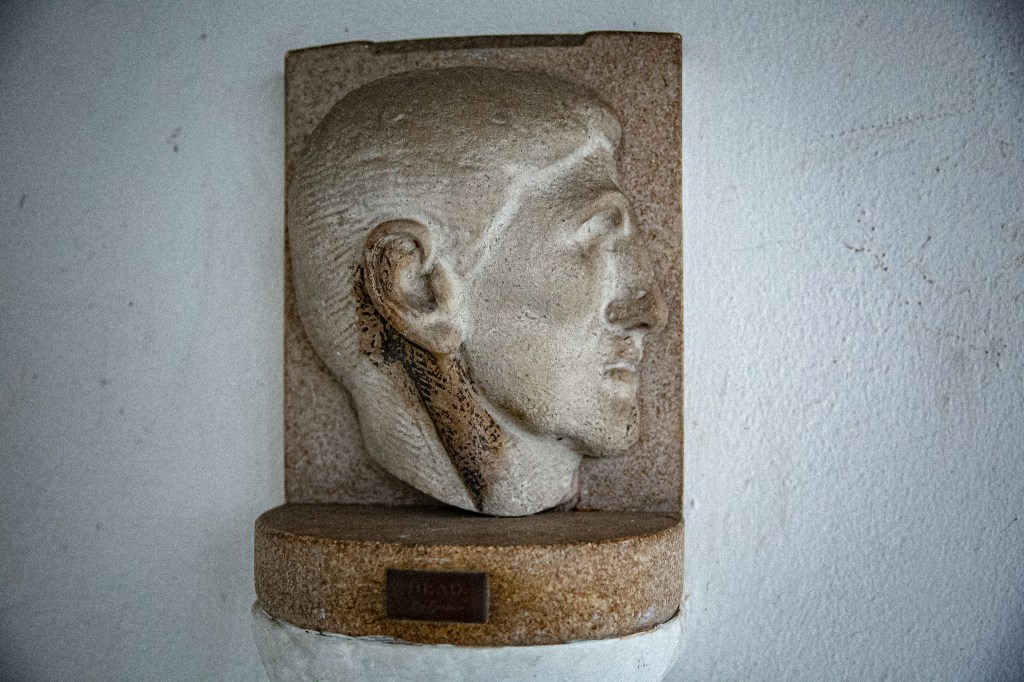
I find myself pausing here longer than intended. The City bustles and roars just beyond its walls, yet within this small enclosure time folds into an irrelevance. Ancient Assyria, sits beside ancient Roman London, and a twentieth-century sculpture beside a medieval church.
It is one of those small London places where history doesn’t need to shout or brashly advertise itself. London is full of grand spectacles, cathedrals, bridges, palaces, monuments, the Tower, that announce themselves loudly. But for me it is the small places that linger longest in my mind, and always call me back.
 The London Walker
Leave a comment