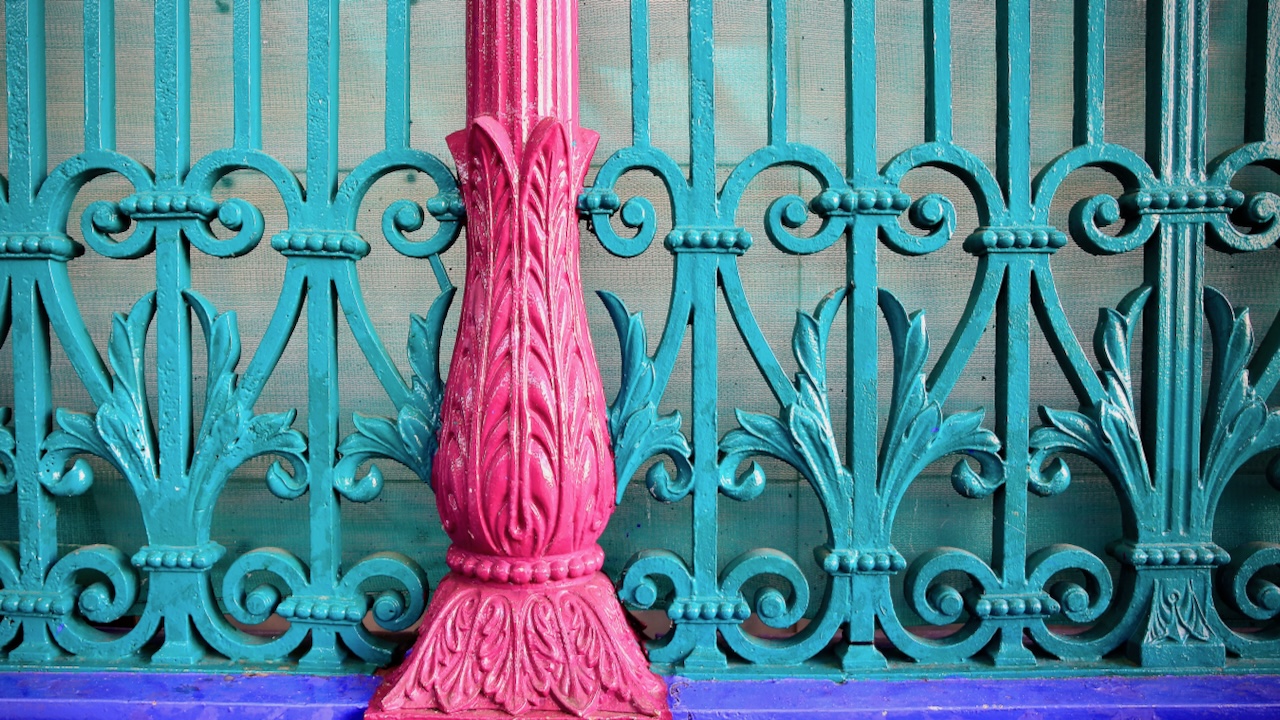


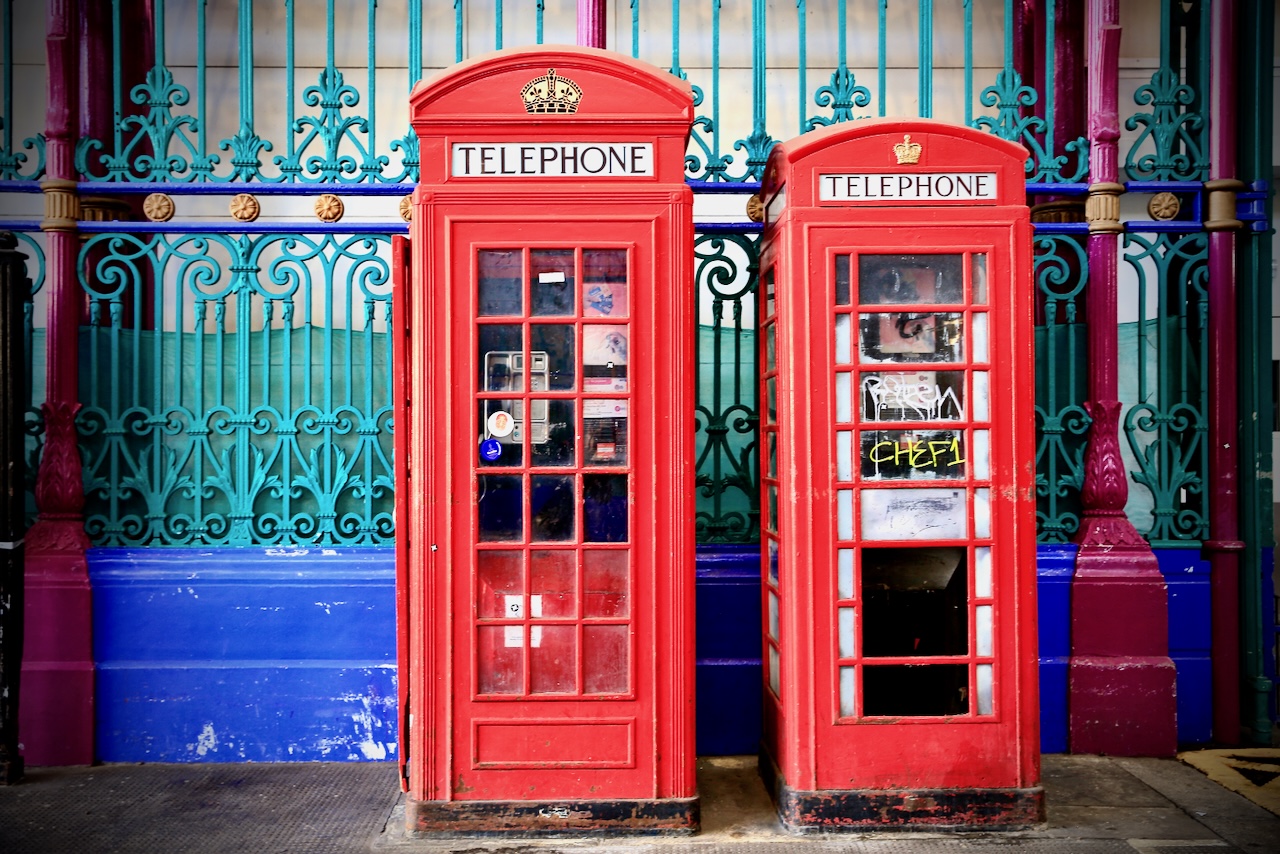
Researching across the city, stomping the streets, you become aware of the enormous amount of wrought and cast iron work, mostly Victorian, that stretches across all forms and functions, be it architectural or common objects. They can be found throughout the city. One of the best spots to see this happens to be an area I’ve studied deeply over recent months for a particular planned guided walk: that being Smithfield and its Victorian market building.
During the Victorian years, wrought iron became a key material in building and design. It was used extensively for both structural and decorative functions. Wrought iron’s toughness allowed it to be easily shaped by hand, enabling detailed and intricate designs, and it was favoured for outdoor use as it resisted corrosion better than cast iron.
Some fine examples can be seen in railings and balustrades around the city, often adorned with intricate elegant patterns. Grand gates and fences, most notably in the parks, outside state buildings and royal residencies feature elaborate designs, creating impressive entrances and vistas. More common were the bollards, lamp posts and public benches which are still here; and very common still, the protection of windows in houses and businesses using grilles providing security, if not the same aesthetic appeal as say the Bromsgrove Gates outside Buckingham Palace. Nonetheless this material was being used everywhere, and in reflection of the times, and the expansion of the city, indeed the Victorian world, this material was being used for the growing factories and mills, and most imaginatively in large structures such as bridges, market halls and most significantly railway stations.
To me one of the most notable examples of Victorian wrought ironwork is to be found at Grade II listed Smithfield Market. When you are nearby, have a good look and see the impressive array of designs and motifs. And finally, yes the red phone boxes aren’t Victorian, the technology not being quite ready at the time, and came out as recently as 1920. Astonishing to think, the first prototypes were made out of concrete before cast iron was introduced.
 The London Walker
Leave a comment